

What causes melasma varies from person to person and often involves a combination of genetic, hormonal, and environmental factors. Understanding these triggers helps guide appropriate treatment choices and long-term skin care strategies.
In this article, we explore the common causes of melasma, how it differs from other forms of pigmentation, and the treatment options available in Singapore. You’ll also learn what signs to look out for and how different approaches may be used to manage melasma more effectively.
What is Melasma?

Melasma is a skin condition characterised by dark, discoloured patches, most commonly seen on the face. This condition predominantly affects women, particularly those with darker skin tones. It’s often linked to hormonal changes, such as pregnancy, earning it the nickname “mask of pregnancy.” Despite its prevalence, the exact causes of melasma are complex and involve a combination of genetic, hormonal, and environmental factors.
Table of Contents
What are the Differences Between Melasma and Hyperpigmentation?

While melasma is a form of hyperpigmentation and can both result in the darkening of the skin, their causes and appearances differ significantly. Melasma is often hormonally driven and has a symmetrical pattern, typically appearing on the face. It’s believed to be triggered by a combination of genetics, hormonal changes, and sun exposure.
Hyperpigmentation, on the other hand, can result from various factors such as inflammation, skin injuries, or acne, and can appear in localised or scattered patterns across the body.
Understanding these differences is crucial for treatment, as melasma’s underlying hormonal and genetic causes require a more specialised approach compared to the treatment of hyperpigmentation due to external skin damage.
What Causes Melasma? Understanding the Most Common Factors
Understanding what causes melasma involves looking at several internal and external factors that influence how pigment is produced in the skin. Melasma does not develop due to a single trigger. Instead, it is usually the result of overlapping influences that affect melanocyte activity over time.
Genetics
Genetics play a significant role in what causes melasma, with research showing a higher predisposition among individuals of certain ethnic backgrounds. A family history of melasma increases the likelihood of developing the condition, suggesting inherited factors that influence melanin production and how the skin responds to hormonal changes.
Hormonal Changes
Hormonal fluctuations are another key factor in what causes melasma. The condition is commonly associated with pregnancy, oral contraceptive use, and hormone replacement therapy. These hormonal shifts can stimulate melanocytes, the cells responsible for melanin production, leading to the development of the dark patches seen in melasma.
Sun Damage
Sun exposure is one of the most significant contributors to what causes melasma and why it can worsen over time. Ultraviolet (UV) radiation stimulates melanocytes to produce more melanin, making sun protection essential for individuals prone to melasma. Using broad-spectrum sunscreen, wearing protective clothing, and limiting sun exposure during peak hours are important preventive measures.
How to Spot Melasma
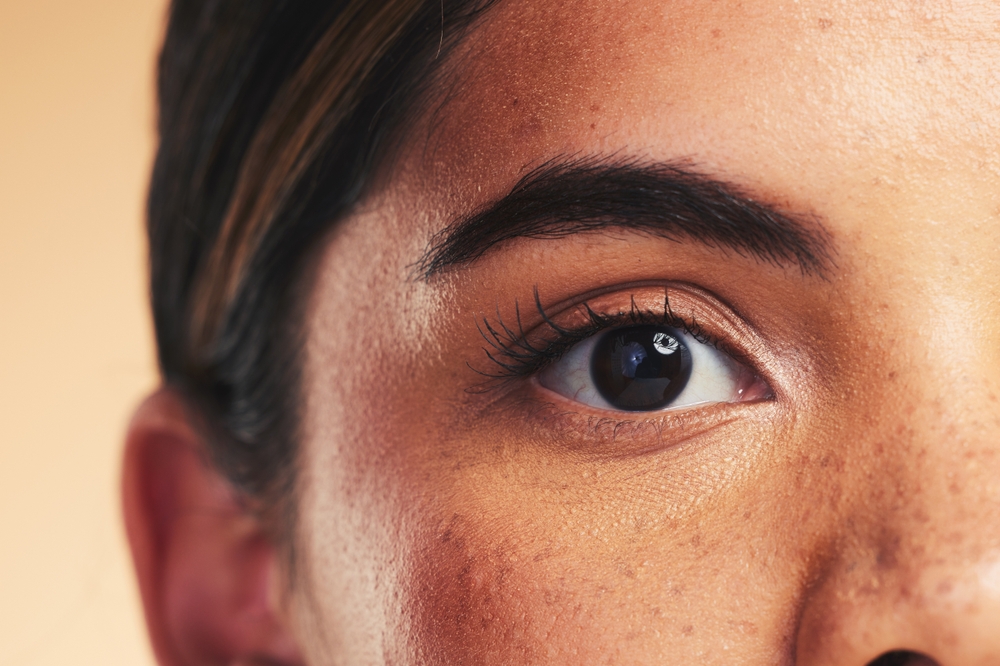
Recognising melasma involves identifying its distinctive features. Typically, melasma appears as symmetrical, dark patches on sun-exposed areas of the face, such as the cheeks, forehead, bridge of the nose, chin, and upper lip. These patches often have soft, blurred edges and range in colour from light to dark brown. Understanding what causes melasma can help differentiate it from other forms of pigmentation that may present differently on the skin.
Melasma Treatment Options in Singapore
Understanding what causes melasma is an important first step when selecting the most appropriate treatment, as different triggers may respond better to different approaches. In Singapore, a range of non-invasive and medical-grade options are available to help manage melasma based on its severity and underlying factors.
Microdermabrasion
Microdermabrasion is a gentle, non-invasive skin resurfacing procedure that exfoliates the outermost layer of the skin, helping to remove dead skin cells and encourage new skin renewal. It may be suitable for mild melasma, particularly when surface pigmentation is a concern. For individuals learning what causes melasma, this option may be considered when pigmentation is superficial and not deeply hormonally driven. The procedure is generally painless, requires no downtime, and may cause only mild redness or sensitivity immediately after treatment.
Chemical Peels
Chemical peels work by applying a controlled chemical solution to exfoliate the skin and promote the growth of less pigmented skin underneath. These peels can be adjusted in strength depending on the severity of melasma. When evaluating what causes melasma, chemical peels may be recommended for cases linked to sun exposure or uneven skin turnover. Side effects can include temporary redness, peeling, and increased sun sensitivity, depending on the depth of the peel used.
Medical-Grade Vitamin C and Whitening Treatments
Medical grade infusion of Vitamin C and other agents presents a targeted treatment for melasma, leveraging their skin-brightening and antioxidant properties to mitigate dark patches. Techniques like iontophoresis and electrophoresis enhance these agents’ penetration, offering a holistic approach to improving skin health and appearance.
Laser Treatments
Laser treatments have become a notable method for addressing the skin condition melasma, which is characterised by dark patches on the skin. These treatments use specific light wavelengths to target and reduce the appearance of these patches. Here is an overview of several laser technologies used for melasma treatment:
- Clarity II Laser: This is a dual-wavelength laser combining Alexandrite and Nd:YAG lasers, suitable for treating a variety of skin concerns including melasma. It’s designed for efficient targeting of pigmented lesions, aiming to lighten the affected areas. Features like IntelliTrak™ technology and real-time temperature sensing help optimise treatment parameters for effective outcomes.
- Dual Yellow Laser: Utilising two specific wavelengths, this laser targets pigmented and vascular lesions effectively, with a focus on reducing melanin production which is key in managing melasma. It’s known for its gentle approach, making it a viable option for those with sensitive skin.
- Enlighten™ PICO: As a picosecond laser, Enlighten PICO offers a cutting-edge solution for pigmentation issues, including melasma. Its ultra-short pulses minimise thermal impact, reducing the risk of further pigmentation. This laser is adept at clearing both surface-level and deeper pigmented lesions, supporting skin rejuvenation and the reduction of acne scars.
- Hollywood Spectra: Specifically cleared by the FDA for melasma treatment, the Hollywood Spectra laser employs short pulse widths to target unwanted pigmentation. Its proprietary technology enables effective laser toning and the treatment of pigmented lesions, with minimal downtime for patients.
- Multi Frax: Multi Frax is an advanced laser treatment known for its effectiveness in addressing melasma. By utilising two types of light wavelengths, 1550 nm and 1927 nm, it targets different skin depths to specifically reduce pigmentation and improve skin texture. This dual-wavelength approach helps to lighten melasma patches by stimulating collagen production and enhancing overall skin health. With approvals from the US FDA and Medical CE, Multi Frax is recognised for its safety and efficacy in treating melasma and other pigmentation issues.
Sylfirm
Sylfirm is a specialised skin treatment designed to address melasma and other skin concerns. It works by targeting excessive vessel proliferation and restructuring dermal vessels, which aids in skin tissue regeneration and melanin regulation. By focusing on the root causes of melasma, Sylfirm helps to reduce uneven darkening and promote a more even skin tone. This treatment is also effective in improving skin texture and aiding in the healing of acne scars, making it a comprehensive option for those dealing with melasma.
If you’re thinking about laser treatment for melasma, it’s important to get advice from skin experts who really understand the ins and outs of different skin conditions. At NU.U Aesthetics & Wellness, they’re all about personalised treatment. They know that everyone’s skin is different, and they take the time to figure out exactly what each patient needs. The team carefully checks your skin type and condition before suggesting any laser treatments and other therapies that match your specific needs. This means you’re not just receiving a treatment; you’re getting a comprehensive care plan tailored to offer optimal results for your unique melasma situation.
Final Thoughts on What Causes Melasma
In conclusion, understanding what causes melasma is essential when choosing an effective and personalised treatment approach. Because melasma can be influenced by a combination of genetic, hormonal, and environmental factors, management often requires more than a single solution. With advanced laser technologies and medical-grade treatments such as Vitamin C infusions and targeted whitening agents, individuals have access to options that can be tailored to their specific skin needs. Clinics like NUU Aesthetics & Wellness in Singapore play an important role in delivering these customised treatment plans.
By understanding what causes melasma, along with the available procedures, potential side effects, and associated costs, individuals are better equipped to make informed decisions. The aim is to support clearer, healthier-looking skin through a care plan that addresses the unique characteristics and triggers of each case of melasma.


 +65 6732 9989
 +65 9152 3582