

Melasma can be difficult to manage, especially when your skin reacts easily to heat, skincare products, or aesthetic treatments. Many people considering fractional laser for melasma in Singapore have the same concern: lasers use controlled heat, but heat can also trigger melasma in some skin types.
Digital Peel Laser for melasma may be considered in selected cases because it works in tiny fractional zones and uses two wavelengths, allowing the doctor to adjust the treatment based on pigmentation depth, skin sensitivity, and recovery needs.
This guide explains how Digital Laser Peel works, why sensitive and melasma-prone skin needs a careful approach, and what to expect before, during, and after treatment.
Table of Contents
What Is Digital Laser Peel and How Does It Treat Melasma?
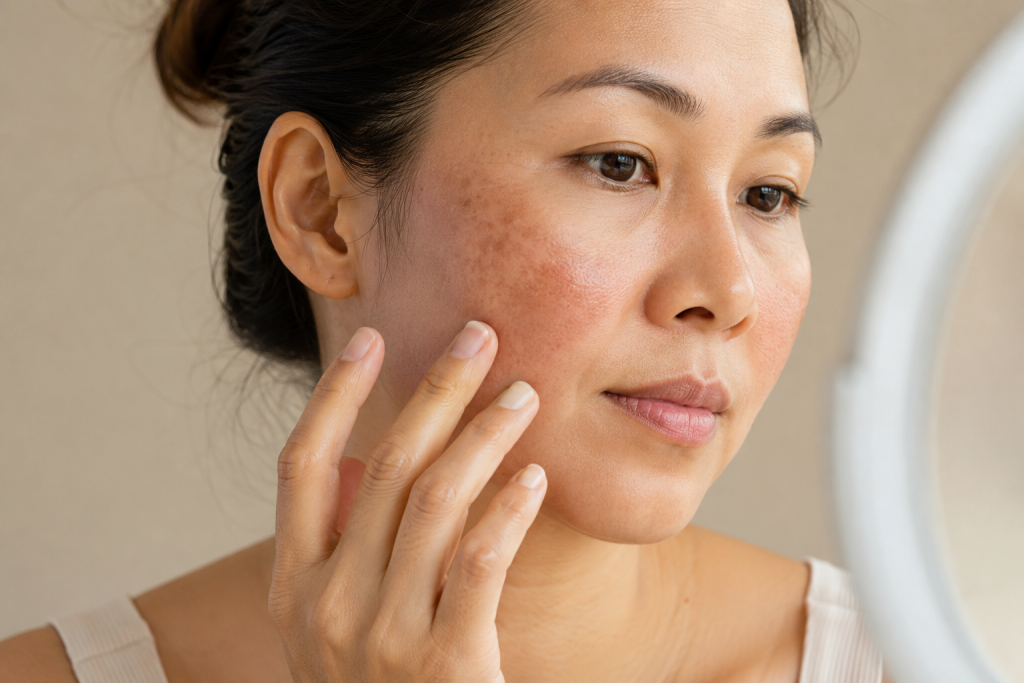
Digital Peel Laser is a dual wavelength laser for melasma treatment. The 1927 nm thulium wavelength works on the epidermis, where most melasma pigment sits. The 1550 nm erbium glass wavelength reaches the dermis, where collagen support lives. For melasma, the 1927 nm thulium laser 1927nm pigmentation wavelength does most of the work.
Energy is delivered in a fractional pattern. Small treatment columns are created across the skin, with healthy tissue left intact between them. The surrounding skin speeds recovery, which makes fractional laser pigmentation sensitive skin protocols a better fit for reactive patients than full-surface resurfacing.
Why Melasma on Sensitive Skin Needs a Cautious Approach
Melasma starts with overactive melanocytes, the pigment-producing cells in your skin. Once sensitised, almost any irritation can push them to produce more pigment. Heat, friction, UV exposure, and aggressive treatments are all known triggers, and reactive skin reaches that threshold faster. A digital peel laser melasma sensitive skin plan looks different from a standard photodamage protocol for exactly that reason.
In Singapore, daily sun and tropical heat keep melasma triggers active year-round. Treatment plans here pair careful in-clinic settings with strict daily aftercare, and dropping either side makes the other less effective.
How Digital Laser Peel for Melasma Works
The 1927 nm thulium wavelength targets water in the upper layers of the skin. As it creates microscopic treatment zones in the epidermis, pigmented cells within those zones are cleared as the skin renews over the following days and weeks. Pigmentation treatments built around this kind of epidermal remodelling rely on the fractional laser pattern to keep healthy tissue intact between zones.
The 1550 nm wavelength reaches the dermis and supports gradual collagen and texture changes over time. For pure melasma, the deeper wavelength is used cautiously, since heat at depth can trigger pigmentation responses in reactive skin. Settings for both wavelengths are adjusted based on your skin phototype, melasma type, and past treatment response.
Two points to keep in mind:
- The laser does not cure melasma. Melasma is a chronic condition that recurs when triggers remain. The treatment can reduce visible pigmentation, but maintenance, sun protection, and sometimes topical therapy continue long after the laser sessions end.
- Response varies between people. Two patients with similar-looking melasma can respond very differently, depending on melasma depth, hormonal factors, and skin reactivity. Doctor assessment shapes the plan.
Can You Use Fractional Laser for Melasma If You Have Sensitive Skin?
Yes, in selected cases. Suitability depends on a doctor’s assessment and the settings chosen. The digital laser peel melasma sensitive skin protocols use lower energy and lower density than standard photodamage settings, with longer recovery windows between sessions.
Share your full history at consultation, including any past reactions, lingering redness, or pigmentation after previous treatments. At NU.U Aesthetics & Wellness Clinic or any reputable clinic will review it before deciding whether Digital Peel Laser is suitable.
Can Digital Peel Laser Be Combined With Other Treatments?
In some cases, a doctor may pair a Digital Peel Laser session with topical boosters applied immediately after treatment. Suitability is decided at consultation — not every patient is a candidate.
Topical Exosomes
Exosomes are cell-derived vesicles containing growth factors, peptides, and amino acids.
When applied right after a fractional laser session, they may reach deeper skin layers through the micro-channels the laser creates. This combination may help support:
- Faster post-treatment recovery
- Reduced redness and inflammation after the session
Lorient Element Skin Booster
Lorient Element is a professional-grade topical serum with five active brightening ingredients:
- Tranexamic Acid
- Glutathione
- Niacinamide
- Vitamin C
- Hyaluronic Acid
Its active molecules are formulated under 500 Daltons to support deeper skin absorption. Applied post-laser, it may help:
- Calm post-treatment sensitivity
- Support skin barrier recovery
- Address melanin activity associated with melasma and PIH
Whether either option is appropriate for your case is determined by your doctor at consultation.
What Laser Treatment Is Used for Melasma?
Digital Peel Laser is one option among several melasma laser treatment options. No single laser is universally best. The right choice depends on melasma type, skin phototype, past treatment response, and skin reactivity.
In Singapore practice, the main categories are:
- Non-ablative fractional lasers such as Digital Peel Laser. These work at calibrated low energy and density for cautious treatment of epidermal pigment and gentle dermal stimulation.
- Low-fluence Q-switched or picosecond lasers. Very short pulses target pigment particles with less thermal spread.
- Combination approaches. In-clinic laser sessions are paired with topical therapy and strict photoprotection, since melasma responds best to combined plans.
Digital Peel Laser Patient Experience: What a Session Looks Like

A Digital Peel Laser session starts with a consultation covering your melasma history, sun exposure, current skincare, and any past reactions. On treatment day, the skin is cleansed and a topical numbing cream is applied for 20 to 30 minutes. The handpiece then passes over the treated area, delivering both wavelengths at the chosen settings.
Digital Peel Laser patient experience reports describe a warm, prickling sensation during treatment. Afterwards, the skin looks red and feels warm, with a subtle bronzed tone or slightly rough texture in the first day or two. These responses are expected and settle on the timeline your doctor outlines.
Digital Peel Laser Side Effects and What to Watch For
Most laser side effects are temporary.
Common ones include:
- Redness and a warm, sunburn-like feeling for 24 to 72 hours
- Mild swelling around the cheeks and eyes
- Dryness, tightness, or a sandpaper-like texture as the skin sheds
- Light flaking or peeling for several days
- Temporary sensitivity to products and sun exposure
Gentle aftercare handles most of these. Flag prolonged redness, lingering breakouts, or any darkening of pigmentation in the weeks after treatment, since these matter most for melasma patients with reactive skin.
Digital Peel Laser for Melasma Side Effects: PIH Risk in Darker or Reactive Skin
Post-inflammatory hyperpigmentation prevention melasma planning is a core part of treating pigmentation with any laser. PIH is a darkening of the skin that follows inflammation, and the risk runs higher in Fitzpatrick III to V skin types, which covers a large part of the Singapore population.
Higher treatment densities and stronger energy settings both raise PIH risk, and reactive skin raises it further. Share your full skin history with your doctor at NU.U Clinic, including any past PIH from acne, eczema, or earlier procedures, so the plan can be calibrated to your skin.
Will Fractional Laser Cause Rebound Pigmentation for Melasma?
Sometimes. Rebound pigmentation is one of the Digital Peel Laser side effects worth understanding before treatment. The condition appears when melasma returns darker than before, often weeks or months after a session. Common drivers include excess heat during the session, strong inflammation in the days after, and inadequate aftercare, particularly poor sun protection.
Fractional laser carries its own risk profile, and calibration, skin preparation, and aftercare determine the outcome. A patient with reactive skin and active melasma needs a different approach from a patient with photodamage and stable pigmentation, which is why individualised settings matter.
Aftercare for Sensitive Skin After Digital Peel Laser
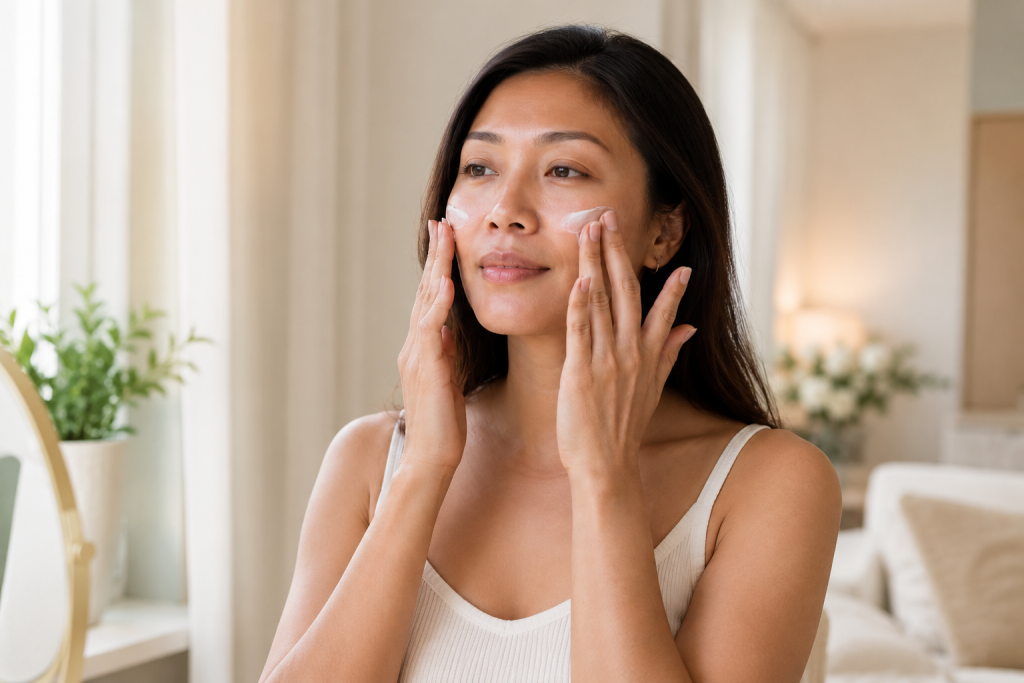
Aftercare for Digital Peel Laser for melasma decides much of the outcome. For sensitive skin, careful aftercare separates a calm recovery from a flare-up of the pigmentation you came in to address.
Key principles:
- Strict daily sun protection. Apply broad-spectrum sunscreen every morning and reapply through the day. Add hats and shade where possible. Treated skin remains vulnerable to UV-driven pigmentation responses for several weeks after a session.
- Gentle cleansing and barrier-supportive moisturisers. Skip harsh cleansers, hot water, and abrasive cloths until your doctor clears you.
- Pause active ingredients. Hold retinoids, exfoliating acids, strong vitamin C, and other potent actives until the skin has settled.
- Avoid heat and friction. Skip saunas, hot yoga, intense workouts, and aggressive face massage for several days. Heat drives pigmentation responses in melasma-prone skin.
- Report unusual reactions. If redness lasts longer than expected or pigmentation starts to darken in the weeks after treatment, contact your clinic so your doctor can adjust the next session.
Some clinics pair Digital Peel Laser with topical boosters such as exosomes or brightening serums like Lorient Element, applied immediately post-treatment to support recovery and address pigmentation. NU.U Aesthetics & Wellness Clinic takes an assessment-based approach to whether any additional support is suitable for your case.
How Many Digital Peel Laser Sessions Are Typically Needed for Melasma?

Melasma rarely responds to a single laser session. The treatment is given as a series, with sessions spaced a few weeks apart and energy adjusted based on how your skin responds. After two or three sessions, the pigmentation may look noticeably better, though the underlying tendency for melasma remains.
There is no fixed session count. Skin that tolerates the settings comfortably needs fewer sessions and longer maintenance intervals. Reactive skin or deeper melasma calls for a slower schedule. Doctor review between sessions shapes the plan as you go.
Digital Peel Laser Price in Singapore: What Affects the Cost
Digital Peel Laser price Singapore varies by clinic and individual. Several factors shape the cost:
- Treatment area. A small targeted zone like the cheeks is priced differently from a full-face session.
- Number of sessions. Most melasma plans involve a series, and the per-session cost can differ from a package rate.
- Settings used. Lower-energy sessions for sensitive skin run at different intensities and treatment times than standard photodamage protocols.
- Clinic assessment. Consultation depth, monitoring between sessions, and any supportive skincare included can shift the total.
Digital Peel Laser for melasma cost is best discussed at consultation, where a doctor can match the plan to your skin and goals.
Frequently Asked Questions
How much does Digital Peel Laser laser treatment cost in Singapore?
Digital Peel Laser price Singapore depends on treatment area, number of sessions, energy settings, and clinic assessment. Melasma calls for a series of cautious sessions, so the most accurate quote comes from a consultation where a doctor matches the plan to your skin.
What lasers should be avoided for melasma-prone or sensitive skin?
Aggressive lasers that produce strong heat and inflammation are approached with caution in melasma-prone skin, since heat and inflammation themselves trigger melasma. Ablative and high-energy resurfacing options carry higher PIH and rebound risk in reactive skin. Lower-energy non-ablative options are safer, though suitability is decided case by case.
Can melasma get darker after laser treatment?
Yes, this is a known risk. Darkening can appear as post-inflammatory hyperpigmentation or as rebound pigmentation, where the melasma returns darker than before. Risk runs higher with aggressive settings, in reactive skin, and when aftercare slips.
How many Digital Peel Laser sessions are typically needed for melasma?
Melasma responds gradually, and a single session rarely covers the work. A series spaced a few weeks apart is standard, with the count decided by how your skin responds. Maintenance and photoprotection continue beyond the initial series.
Can Digital Peel Laser be combined with other treatments for melasma?
Yes, in selected cases. Some doctors pair Digital Peel Laser sessions with topical exosomes or skin boosters such as Lorient Element, applied immediately after treatment to make use of the micro-channels the laser creates. This may support recovery and help address pigmentation responses. Suitability is decided at consultation based on your skin and treatment goals.
What should I do after Digital Peel Laser treatment to protect sensitive skin?
Daily broad-spectrum sun protection, gentle cleansing, barrier-supportive moisturising, and a pause on retinoids, exfoliating acids, and other actives form the standard starting point. Skip saunas and intense workouts for several days. Contact your clinic if redness lingers or pigmentation darkens before the next session.


 +65 6732 9989
 +65 9152 3582