
As the skin ages, collagen production and moisture levels gradually decline. This can affect firmness, elasticity, and overall skin texture. Amino Acid Replacement Therapy (AART) is a non-surgical injectable treatment that combines amino acids, hyaluronic acid, and peptides to support skin structure, hydration, and natural repair processes.
In Amino Acid Replacement Therapy, these components work together to complement the body’s normal skin renewal functions. Amino acids serve as essential building blocks for collagen, while hyaluronic acid helps retain moisture and supports fibroblast activity, the cells involved in collagen regeneration. Peptides contribute by helping maintain tissue strength and organisation over time.
Amino Acid Replacement Therapy is administered under medical supervision and may be suitable for individuals looking to support skin and connective tissue health through a non-surgical approach. To determine suitability, schedule a consultation with a licensed practitioner, such as those at NUU Aesthetics & Wellness.
Table of Contents
What Is Amino Acid Replacement Therapy (AART)?
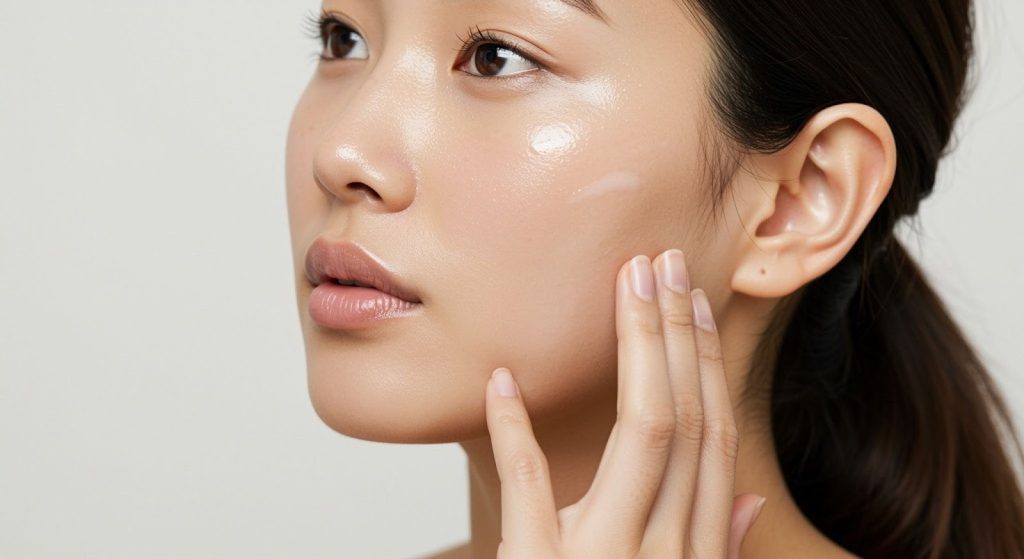
Amino Acid Replacement Therapy delivers a targeted blend of amino acids and hyaluronic acid into specific areas of the skin and connective tissues. This approach supports collagen production, skin hydration, and the body’s natural repair processes, helping maintain overall tissue strength and elasticity. One example of a product formulated for Amino Acid Replacement Therapy is Jalupro Super Hydro, which combines amino acids with hyaluronic acid to support skin quality.
When administered by a qualified medical professional in an MOH-approved clinic, Amino Acid Replacement Therapy helps sustain the extracellular matrix (ECM). The ECM is the structural network that supports skin firmness, flexibility, and long-term skin integrity.
How AART Works
The Science Behind Amino Acids, Hyaluronic Acid, and Amino Acid Replacement Therapy
- Amino acids such as glycine, proline, leucine, and lysine are the building blocks of collagen and elastin, which give skin its structure and strength. As skin ages, natural amino acid levels decline, affecting firmness and elasticity.
- Hyaluronic acid helps retain moisture within the skin layers and supports fibroblast activity, which plays a key role in collagen renewal and skin repair.
Amino Acid Replacement Therapy works by replenishing these essential components, supporting the extracellular matrix (ECM). A healthy ECM helps maintain skin firmness, elasticity, and hydration, which are important for overall skin quality and resilience.
Peptides and Cellular Support
Peptides in the AART formulation work alongside amino acids and hyaluronic acid to help fibroblasts maintain tissue strength and structure. Together, they support a balanced environment within the skin and connective tissues, improving elasticity and moisture retention.
The treatment uses both low- and high-molecular-weight hyaluronic acid to hydrate different layers of the skin and support ongoing fibroblast activity, similar to the ratios used in Jalupro Super Hydro. It also follows the principles of Amino Acid Replacement Therapy, using a targeted blend of glycine, proline, lysine, alanine, valine, and arginine to support collagen renewal and help reduce stiffness linked to collagen glycation.
Biomimetic peptides such as Acetyl Decapeptide-3 and Acetyl Tetrapeptide-5 further enhance fibroblast function and tissue regeneration, promoting smoother, more resilient skin over time.
Treatment Areas That May Benefit from AART

Amino Acid Replacement Therapy may be considered for different areas of the body where collagen and hydration are important for maintaining tissue structure and resilience. This therapy focuses on supporting the body’s natural collagen-related processes rather than altering anatomy.
Common treatment areas include:
- Face, neck, and décolletage: to support skin firmness and elasticity in areas commonly affected by age-related collagen decline.
- Hands: to help maintain hydration levels and improve overall skin texture.
- Ligaments and connective tissues: to support tissue strength and flexibility by assisting ongoing collagen maintenance.
Amino Acid Replacement Therapy is designed to support collagen preservation and hydration in these areas, contributing to overall tissue integrity. Suitability, treatment planning, and expected outcomes can vary and should always be evaluated through a consultation with a licensed medical practitioner.
Potential Benefits of AART
When administered under professional supervision, AART may help to:
- Support collagen and elastin structure to promote natural elasticity and firmness.
- Maintain deep hydration through hyaluronic acid, improving overall skin suppleness.
- Promote tissue resilience by reinforcing the extracellular matrix within the skin and connective tissues.
- Aid joint or ligament comfort through enhanced structural support and hydration.
- Contribute to smoother, healthier-looking skin by supporting balanced moisture and collagen integrity.
The combined amino acid and hyaluronic complex works in harmony with the body’s natural functions to help maintain skin structure, moisture balance, and overall tissue health.
AART vs Other Collagen Stimulation Methods
When considering collagen-supporting treatments, it is important to understand that each method works differently. The following table provides a general comparison between AART and other commonly known collagen-stimulating approaches. This comparison is for educational purposes only and does not imply superiority.
| Aspect | AART (Amino Acid Replacement Therapy) | PRP (Platelet-Rich Plasma) | Skin Boosters |
| Composition | Amino acids, hyaluronic acid, and peptides | Platelets and growth factors derived from the patient’s own blood | Primarily hyaluronic acid-based formulations |
| Mechanism | Supports collagen structure and hydration within the extracellular matrix (ECM) | Delivers growth factors that promote natural tissue repair | Hydrates the skin and improves texture through moisture retention |
| Purpose | Maintain elasticity and support tissue integrity | Encourage regeneration and healing | Enhance surface hydration and radiance |
| Administration | Injected by licensed practitioners in MOH-approved clinics | Injected by licensed practitioners using blood-derived plasma | Injected superficially into the skin’s layers |
While PRP and skin boosters work through different biological mechanisms, Amino Acid Replacement Therapy (AART) focuses on nutrient-based support. This approach uses targeted amino acids together with hyaluronic acid to help support collagen production, skin structure, and overall tissue health over time.
Disclaimer: PRP (Platelet-Rich Plasma) treatments for cosmetic or aesthetic purposes are not approved by the Ministry of Health (MOH) in Singapore. The information provided here is for general educational purposes only and does not constitute a medical recommendation or endorsement of any non-approved procedures.
Treatment Process

The AART procedure follows a structured approach to ensure safety and individual suitability. Each step is performed by a qualified practitioner in a controlled clinical setting.
Step 1: Consultation and Assessment
A licensed practitioner will review your skin condition, medical history, and treatment goals to determine whether AART is an appropriate option. This step ensures that the treatment plan aligns with your individual health profile.
Step 2: Preparation and Injection
Once assessed, the amino acid–hyaluronic acid solution is gently injected into targeted areas using fine, sterile needles. This process is conducted with precision to ensure comfort and consistency throughout the session.
Step 3: Aftercare and Recovery
Following the procedure, you may experience mild tenderness or redness, which typically subsides within a short period. Practitioners will provide personalised aftercare guidance to help maintain comfort and skin balance.
No fixed results or timelines should be expected, as responses vary by individual.
Safety and Suitability

AART should only be performed by licensed practitioners in MOH-approved facilities.
The treatment is generally well-tolerated when performed by trained professionals. However, it may not be suitable for individuals who are:
- Pregnant or breastfeeding
- Managing autoimmune or chronic conditions
- Allergic or sensitive to any components of the formulation
Before proceeding, a full consultation and medical evaluation are required to ensure safety and suitability.
Note: Individual experiences vary. Always seek professional medical advice before undergoing any aesthetic procedure
Cost and Availability in Singapore
The cost of Amino Acid Replacement Therapy (AART) in Singapore varies depending on several factors, including the treatment area, individual skin condition, and overall treatment plan recommended by the practitioner. Because each person’s needs and goals differ, a consultation is required to determine the most appropriate approach and estimated cost.
For more information or to receive a personalised estimate, contact NUU Aesthetics & Wellness to arrange a professional consultation.
Frequently Asked Questions About Amino Acid Replacement Therapy in Singapore
Is Amino Acid Replacement Therapy (AART) available in Singapore?
Yes. Amino Acid Replacement Therapy (AART) is available at select licensed medical clinics in Singapore, including those that are MOH-approved and follow PHMC guidelines. It is performed by qualified practitioners who assess individual suitability before recommending treatment.
How much does an amino acid injection cost in Singapore?
The cost of AART depends on several factors, such as the treatment area, number of sessions, and individual requirements. Because pricing can vary, it’s best to schedule a consultation with NUU Aesthetics & Wellness for an accurate, personalised estimate.
Is AART safe for ligaments or connective tissues?
When administered by licensed medical professionals, AART is considered safe for suitable individuals. The treatment uses amino acids and hyaluronic acid, which are naturally found in the body. However, individuals with autoimmune conditions, allergies, or certain medical concerns should undergo a proper medical evaluation to determine suitability.
How long do AART results last?
The duration of effects varies depending on individual factors such as age, skin type, lifestyle, and treatment plan. Some individuals may notice gradual improvements in skin hydration or texture over time, but results and longevity differ from person to person. Follow-up sessions, if recommended, are determined during consultation.
Who is a suitable candidate for AART?
AART may be considered for individuals who wish to support skin firmness, hydration, or connective tissue health without undergoing surgery. Suitability depends on a full medical assessment by a licensed practitioner to ensure the treatment aligns with your health profile and goals. During consultation, they may also explain the types of amino-acid formulations available on the market, including options like Jalupro Super Hydro, to help you understand how these blends differ.
Are there any side effects or downtime after AART?
Most individuals experience minimal downtime. Mild redness, tenderness, or slight swelling may occur at injection sites, which typically subsides within a short time. Practitioners provide aftercare instructions to help support comfort and recovery.
Final Thoughts
Amino Acid Replacement Therapy (AART) offers a medically supervised approach to support collagen structure, hydration, and overall tissue health. By combining amino acids, hyaluronic acid, and peptides, the treatment works in harmony with the body’s natural processes to help maintain skin resilience and balance over time.
For individuals considering aesthetic treatments, professional guidance is essential. Clinics such as NUU Aesthetics & Wellness provide consultations with licensed practitioners who can assess suitability and create a plan that aligns with your individual needs and goals.


 +65 6732 9989
 +65 9152 3582