

Not every mark left behind after acne is a scar, even though it may look that way at first. Some spots are part of the skin’s natural healing process and may gradually fade, while others can last longer and behave differently.
If you are unsure whether what you are seeing will go away on its own or needs treatment, you are not alone. Many people struggle to tell the difference, especially when the skin still looks uneven after a breakout has healed.
In this article, you will learn how to identify what you may be dealing with, what to expect over time, and when treatment may be considered. At NU.U Aesthetics & Wellness Clinic, different treatment options are available depending on whether the concern is related to skin colour or skin texture, with plans tailored to each individual.
Table of Contents
Acne Scars and Post-Acne Marks: What Is the Difference?
One of the easiest ways to distinguish between the two is by looking closely at the surface of your skin. Post-acne marks are flat and appear as areas of discoloration, such as red, pink, or brown spots. The skin itself remains smooth when you run your fingers over it.
Acne scars, on the other hand, change the texture of the skin. They may appear as indentations, pits, or raised areas. In many cases, you can both see and feel the uneven surface, especially under certain lighting.
What Are Post-Acne Marks?
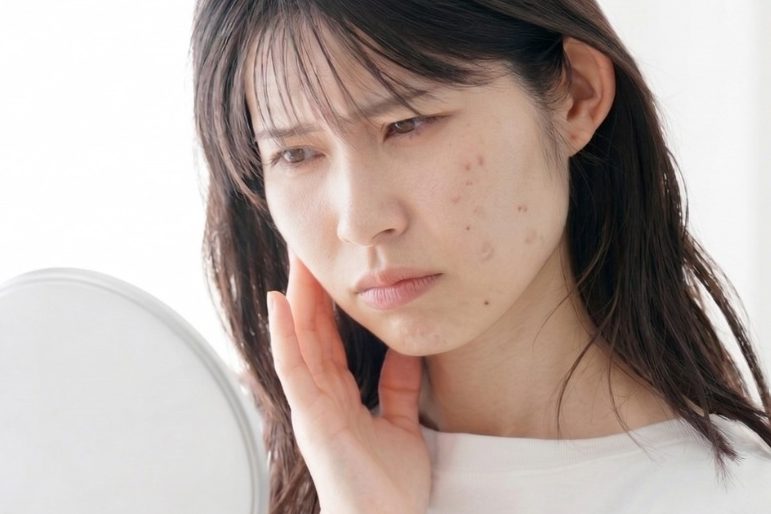
Post-inflammatory Hyperpigmentation (PIH)
Post-inflammatory hyperpigmentation, or PIH, appears as brown or darker spots after a breakout. It develops when the skin produces excess melanin in response to inflammation.
These marks are more noticeable in some skin tones and may become darker with sun exposure.
Post-inflammatory Erythema (PIE)
Post-inflammatory erythema, or PIE, shows up as red, pink, or purplish marks after acne heals. This is linked to changes in small blood vessels beneath the skin rather than pigment.
These marks can linger for some time but are still considered part of the skin’s healing process.
Common Characteristics of Post-Acne Marks
Post-acne marks share a few consistent characteristics:
- Flat and even with the surrounding skin
- Smooth to the touch
- Visible as a change in colour rather than shape or texture
What Are Acne Scars?
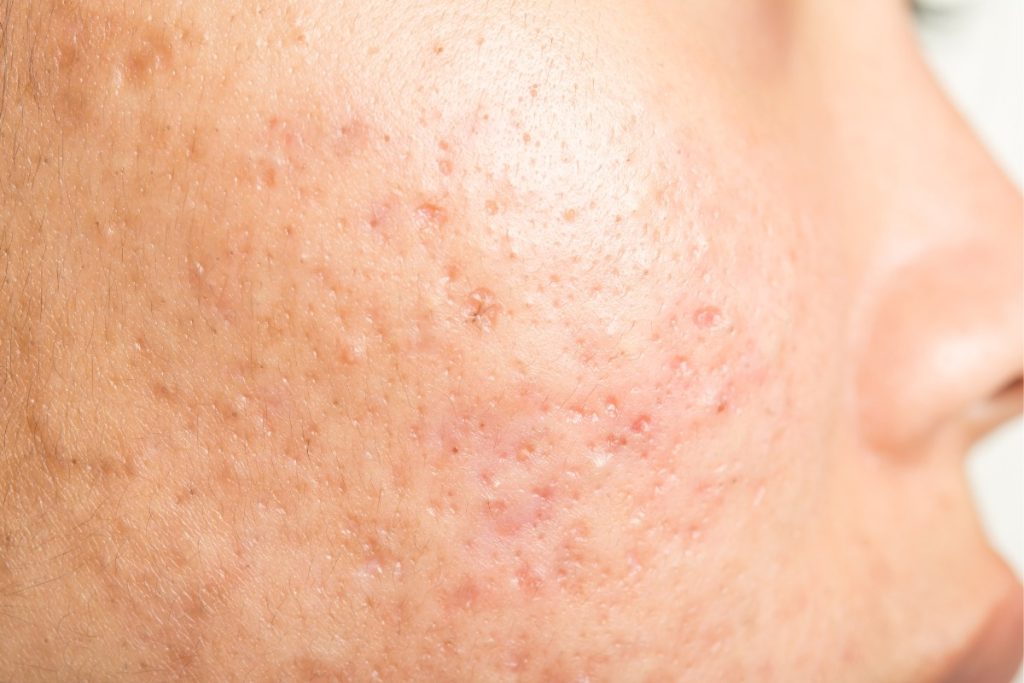
Acne scars develop when inflammation goes deeper into the skin. This can damage the surrounding tissue and affect how the skin repairs itself.
During healing, the skin produces collagen to rebuild the area. When this process is uneven, it can lead to either too little or too much collagen, resulting in a visible change in skin structure.
Common Features of Acne Scars
Acne scars typically present differently from marks:
- Depressed or raised areas on the skin
- Uneven skin texture
- Changes that are often visible and may be felt when touching the skin
Types of Acne Scars
Depressed Acne Scars
These are the most common types and are linked to collagen loss during healing:
- Ice pick scars: deep and narrow pits
- Boxcar scars: wider depressions with defined edges
- Rolling scars: broader areas with a wavy or uneven appearance
Raised Acne Scars
These occur when excess collagen is produced during healing:
- Hypertrophic scars: raised but remain within the original area
- Keloid scars: raised and may extend beyond the original area of acne
Do Post-Acne Marks Fade Over Time?
Yes, post-acne marks often fade over time. They are part of the skin’s natural healing response, so as inflammation settles and the skin renews itself, the discolouration can gradually become less visible.
The timeline varies. Some marks may lighten within a few weeks, while others can take several months depending on factors such as skin type, severity of inflammation, and sun exposure. Ongoing breakouts, picking, or irritation can delay fading, and UV exposure may make pigmentation appear darker and more persistent.
Do Acne Scars Fade Without Treatment?
Acne scars are less likely to fade on their own because they involve structural changes beneath the skin, not just surface discoloration. While mild scars may soften slightly over time, most true scars do not fully improve without treatment.
This is because the skin’s healing process has already altered collagen in a way that does not naturally return to its original state. As a result, visible texture changes such as indentations or raised areas tend to persist unless addressed with targeted treatments.
What Causes Post-Acne Marks and Acne Scars?
Causes of Post-acne Marks
Post-acne marks form when a breakout triggers inflammation, but the skin surface remains intact. Instead of changing the texture, the skin is left with a change in colour as it heals.
- Inflammation: Acne causes an inflammatory response, which can leave visible marks even after the breakout has settled
- Melanin production: The skin may produce excess pigment, leading to brown or darker spots known as post-inflammatory hyperpigmentation (PIH)
- Blood vessel changes: In some cases, small blood vessels remain visible after healing, causing red, pink, or purplish marks known as post-inflammatory erythema (PIE)
- Skin irritation: Picking or squeezing can worsen discoloration and make marks take longer to fade
Because these changes affect pigment or blood vessels, they alter the colour of the skin, not its structure.
Causes of Acne Scars
Acne scars develop when inflammation goes deeper and damages the skin beneath the surface. This affects how the skin repairs itself and leads to longer-lasting structural changes.
- More severe or deeper acne: Inflamed or cystic breakouts are more likely to damage surrounding tissue
- Collagen damage: During healing, the skin may produce too little or too much collagen, leading to indentations or raised areas
- Disrupted wound healing: When healing is uneven, the skin does not return to its original smooth surface, resulting in visible texture changes
This is why acne scars tend to persist. They are linked to changes in skin structure, rather than just surface discoloration.
Treatment Options for Post-Acne Marks
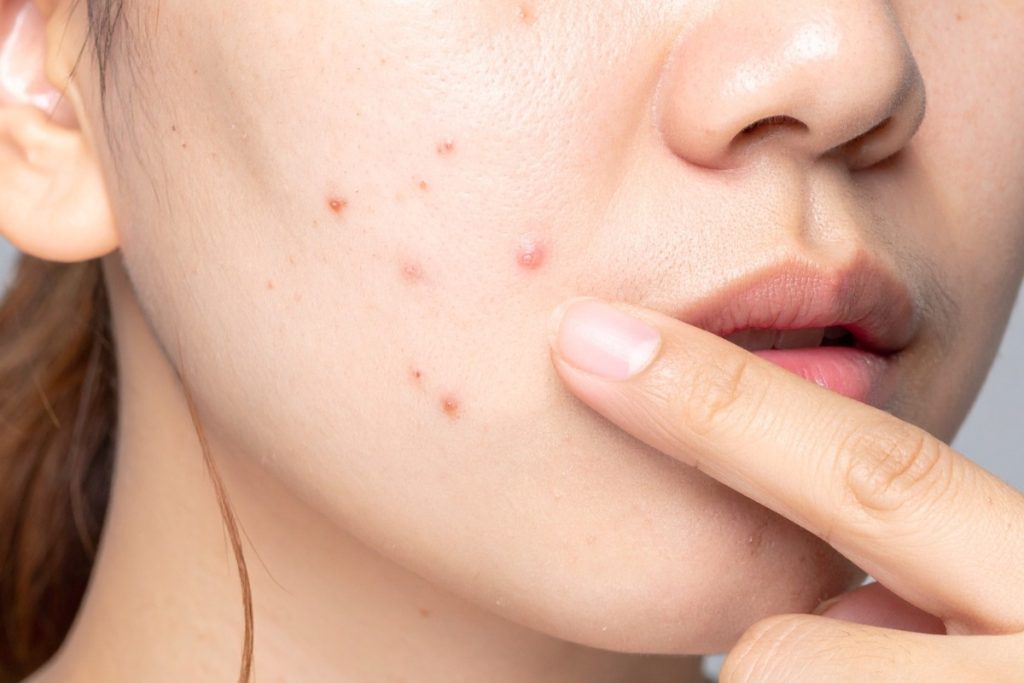
Skincare That May Help Support Fading
For post-acne marks, the focus is on helping the skin recover and gradually even out skin tone. Daily sun protection plays an important role, as UV exposure can make pigmentation appear darker and last longer.
Supporting the skin barrier also helps reduce irritation and allows the skin to heal more effectively. Skincare products may help improve the appearance of marks over time when used consistently.
Professional Treatment Options for Marks
When marks are more persistent, professional treatments may help improve pigmentation and redness more efficiently. These approaches typically target either excess pigment or visible blood vessels beneath the skin.
1. Pigment-Focused Treatments
Laser and light-based treatments such as Pico laser (for example, Enlighten PICO) and IPL systems (such as Ellipse I2PL) are commonly used to improve uneven skin tone and reduce darker marks
2. Redness-Focused Treatments
Vascular-targeting lasers, such as Dual Yellow Laser, may be used to address lingering redness associated with post-inflammatory erythema
Treatment is usually selected based on whether the concern is pigmentation or redness, as well as individual skin type and response.
Treatment Options for Acne Scars
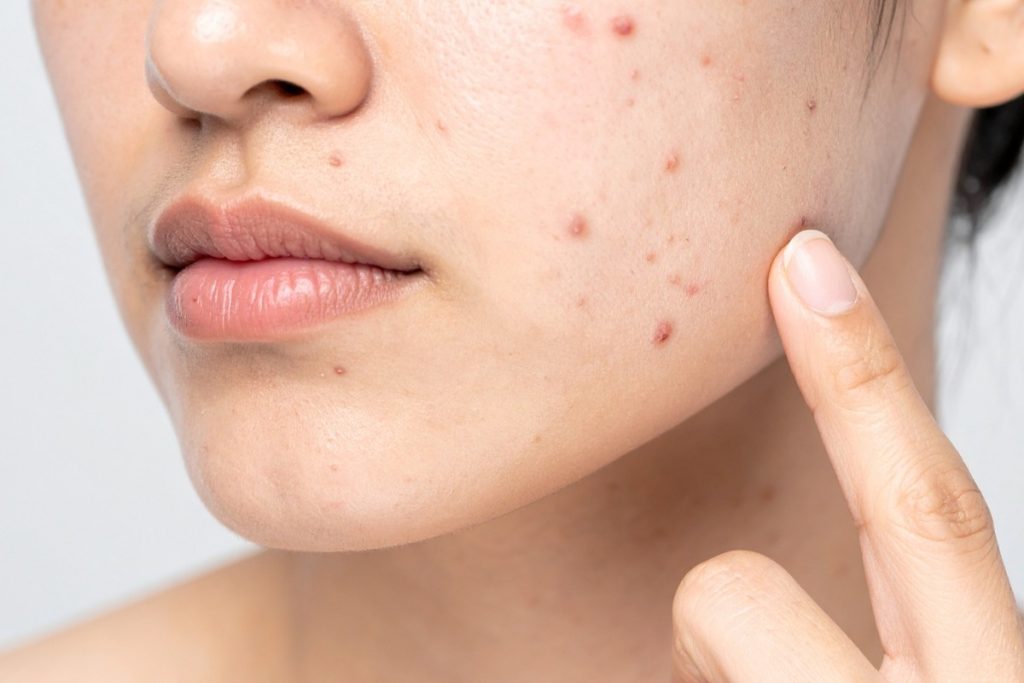
Acne scars vary in depth, shape, and severity, so treatment is not the same for everyone. Some scars are shallow and respond more easily, while others are deeper and may require a more targeted or combined approach. Identifying the type of scar helps guide the most suitable treatment plan.
Professional Treatment Options for Acne Scars
Treatment for acne scars focuses on improving skin texture and supporting collagen remodeling. Common approaches include:
1. Laser Resurfacing
Fractional or CO₂ lasers, such as MultiFrax or SmartXide Touch, are used to resurface the skin and improve the appearance of textural irregularities. As the skin heals, new collagen forms, which helps smooth out uneven texture and reduce the appearance of depressed scars over time.
2. Microneedling and RF Microneedling
Treatments like Morpheus 8 or Sylfirm X combine microneedling with radiofrequency to stimulate collagen and improve skin structure. Microneedling creates tiny, controlled micro-injuries in the skin to stimulate collagen production.
When combined with radiofrequency energy, it can reach deeper layers, helping improve skin structure and soften the appearance of acne scars gradually.
3. Skin Boosters (Including ECM-Based Formulations)
Skin boosters are placed into the skin to improve hydration and overall skin quality from within. By supporting the deeper layers of the skin, they help improve smoothness and elasticity, which can make certain scars appear less noticeable.
ECM-based skin boosters are derived from Human Acellular Dermal Matrix (hADM) and focus on supporting the skin’s structural framework. They contain components such as collagen and elastin, which help reinforce the skin’s foundation over time. This may help improve skin resilience and refine texture, especially when combined with other scar treatments.
4. Skin Tightening and Collagen Stimulation
Treatments such as Ultraformer MPT (HIFU) and Volnewmer RF (radiofrequency-based technologies) work by delivering energy into deeper layers of the skin. This supports collagen remodeling and improves firmness, which can help reduce the visibility of certain scars.
5. Combination Treatment Plans
In many cases, a combination of treatments may be recommended. This allows different aspects of acne scars, such as depth, texture, and skin quality, to be addressed more effectively.
When to Seek Professional Assessment
In some cases, it may be helpful to seek a professional assessment, especially if the skin shows signs of lasting texture changes:
- The skin appears pitted, indented, or raised
- The texture has not improved over time
- Unevenness can be clearly seen or felt, especially under certain lighting
A proper assessment helps determine what you are dealing with and what approach may be suitable. Marks and scars behave differently, and each may require a different treatment strategy. It is also common to have both pigmentation and textural changes at the same time, which may require a combination of approaches.

At NU.U Aesthetics & Wellness Clinic, treatment planning is based on a personalised assessment of your skin condition, concerns, and goals. This allows for a more targeted approach, whether the focus is on improving skin tone, texture, or both.
Final Thoughts on Acne Scars vs Post-Acne Marks
The main difference comes down to what you are seeing on your skin. If the concern is mainly colour, such as red, pink, or brown spots, it is more likely a post-acne mark that may fade over time. If the concern is texture, such as indentations or raised areas, it is more likely an acne scar, which may not improve on its own.
Understanding this distinction helps set clearer expectations and guides what steps to take next. If you are unsure or if the skin has not improved as expected, a professional assessment can help identify the concern more accurately and determine a personalised treatment approach based on your skin’s needs.
Frequently Asked Questions About Acne Scars vs Post-Acne Marks
What is the difference between acne scars and post-acne marks?
Acne scars involve changes in skin texture, such as indentations or raised areas, caused by damage to the skin’s structure. Post-acne marks are changes in skin colour, such as red, pink, or brown spots, without affecting the surface of the skin.
Do post-acne marks go away on their own?
Yes, post-acne marks often fade over time. They are part of the skin’s natural healing process, although the timeline can vary depending on skin type, inflammation, and sun exposure.
Are acne scars permanent?
Acne scars are usually long-lasting because they involve structural changes in the skin. While some may soften slightly over time, most do not fully fade without treatment.
How can I tell if I have a scar or post-acne mark?
Look at both colour and texture. If the area is flat and smooth but discoloured, it is likely a post-acne mark. If the skin looks uneven, indented, or raised, it is more likely an acne scar.
How long do post-acne marks take to fade?
Post-acne marks can take anywhere from a few weeks to several months to fade. Some may last longer depending on skin type, severity of inflammation, and sun exposure.
Can I have both acne scars and post-acne marks at the same time?
Yes, it is common to have both at the same time. Some areas may show discoloration, while others may have visible or subtle texture changes.
When should I consider treatment?
You may consider treatment if the marks are not improving over time, or if the skin shows visible texture changes such as indentations or raised areas. A professional assessment can help determine the most suitable approach based on your skin condition.


 +65 6732 9989
 +65 9152 3582