

Exosomes and polynucleotides are both used to support healthier-looking skin, but they are not the same treatment. Exosomes are typically applied to the skin after a procedure such as microneedling or laser treatment, while polynucleotides are injected directly into selected areas.
The right option depends on what your skin needs, where you want treatment, and whether you are comfortable with injections. Neither is automatically better, as each works differently and may suit different skin concerns.
Table of Contents
What Are Exosomes and How Do They Work?
Exosomes are tiny particles naturally released by cells. They carry proteins, lipids, and genetic material that allow cells to send signals to one another.
In aesthetic treatments, exosome preparations are used to support the skin’s recovery and renewal processes. Their signalling components may encourage activity linked to collagen production, skin hydration, and tissue repair, although the response can vary between individuals.
Exosomes are generally applied topically after a procedure that creates temporary channels in the skin. Microneedling and selected fractional laser treatments are common examples. These procedures help the product reach beyond the outermost skin barrier while triggering the skin’s natural repair response.
At NU.U Clinic, exosomes may be applied after a suitable skin procedure rather than injected. The accompanying treatment is selected according to the patient’s skin condition, concerns, and tolerance for downtime.
Exosome treatment may be considered for concerns such as:
- Dull or tired-looking skin
- Uneven skin texture
- Fine lines
- Visible pores
- Skin affected by environmental stress
- Post-procedure redness and recovery
Exosomes are sometimes described online as treatments that create new cells or reverse skin ageing. These claims go beyond the available evidence. Current research suggests potential benefits for skin quality, but larger and longer-term studies are still needed to understand their effectiveness and safety fully.
What Are Polynucleotides and How Do They Work?
Polynucleotides are long chains of purified DNA fragments, commonly obtained from fish sources such as salmon or trout. They are processed and purified before being formulated for aesthetic use.
Once injected into the skin, polynucleotides may support fibroblast activity and processes involved in collagen and elastin production. They also attract water molecules, which may help improve hydration and give dry or crepey-looking skin a smoother appearance.
Polynucleotides focus on improving the condition and quality of the skin. Unlike dermal fillers, they are not primarily used to replace lost facial volume or reshape facial features.
Treatment is performed using multiple small injections across the selected area. Polynucleotides may be used on the face, neck, décolletage, hands, and delicate areas such as the skin beneath the eyes, depending on the product and individual suitability.
They may be considered for:
- Dehydrated or crepey-looking skin
- Fine lines
- Reduced skin elasticity
- Dull or tired-looking skin
- Uneven skin texture
- Delicate under-eye skin
A systematic review of polynucleotides in aesthetic medicine found encouraging results for wrinkles, skin texture, and elasticity. However, the researchers also noted that stronger studies are needed to confirm treatment protocols and long-term outcomes.
Key Differences Between Exosomes and Polynucleotides

Ingredients and Mechanism
Exosomes contain signalling materials carried within microscopic extracellular vesicles. These signals may support communication between skin cells during recovery and renewal.
Polynucleotides contain purified chains of DNA fragments. They are used to support hydration, fibroblast activity, and the skin’s natural repair environment.
Both treatments aim to improve skin quality rather than create the structural changes associated with facial fillers. However, they approach this goal through different biological pathways.
Topical Application Versus Injections
The clearest difference between exosomes and polynucleotides is how they are administered.
Exosomes are commonly applied topically after a procedure such as microneedling or fractional laser treatment. Any redness, sensitivity, or peeling usually comes from the accompanying procedure rather than the topical application alone.
Polynucleotides are placed directly into the skin using multiple small injections. This may cause brief discomfort and temporary bumps, swelling, redness, or bruising around the injection points.
For someone who prefers to avoid injections, exosomes may sound more appealing. However, they still require a procedure that helps deliver the product into the skin, so the full treatment experience and expected downtime should be considered.
Skin Concerns and Treatment Areas
Exosomes may be considered when the treatment goal involves overall skin conditioning, uneven texture, dullness, or supporting recovery after an appropriate procedure. The face is a common treatment area, although suitability depends on the exosome product and accompanying treatment.
Polynucleotides may be more relevant when the main concerns are dehydration, fine lines, reduced elasticity, or thin and crepey-looking skin. Their injectable delivery also allows specific areas, including the under-eye region, to be treated more directly.
These are general differences rather than fixed rules. A proper skin assessment is needed because dullness, fine lines, and poor texture can have several causes.
Treatment Experience, Downtime, and Results
What to Expect From Exosome Treatment
The appointment begins with an assessment of the skin and the concerns being addressed. If suitable, a procedure such as microneedling or fractional laser treatment may be performed before the exosome preparation is applied.
Temporary redness, warmth, sensitivity, or mild swelling may follow. The type and length of downtime depend mainly on the accompanying procedure and the intensity used.
What to Expect From Polynucleotide Injections
The treatment area is assessed and cleansed before small amounts of the product are injected at multiple points. A topical numbing cream may be used to make the treatment more comfortable.
Small raised bumps may be visible immediately after treatment. Temporary redness, tenderness, swelling, and bruising can also occur, particularly in delicate areas such as beneath the eyes.
When Results May Become Noticeable
Changes from either treatment are usually gradual. Some people may first notice that their skin feels more hydrated or looks fresher, while changes in texture, elasticity, and fine lines may take longer to develop.
The number of sessions and the results timeline depend on the product, delivery method, treatment area, skin condition, and individual response. Results and treatment experiences vary, so before-and-after outcomes seen online should not be treated as a guarantee.
Exosomes or Polynucleotides: Which May Suit Your Skin?
The choice should begin with your skin concerns, not which treatment is currently more popular. Your preferred treatment experience, tolerance for needles, and expected downtime also matter.
| Skin concern or preference | Option that may be considered |
| Dehydrated or crepey-looking skin | Polynucleotides |
| Fine lines and reduced elasticity | Polynucleotides |
| Delicate under-eye skin | Polynucleotides, depending on suitability |
| Dullness and uneven texture | Either treatment may be considered |
| Recovery after microneedling or laser | Exosomes |
| Preference to avoid injections | Topically applied exosomes |
| Preference for targeted treatment | Polynucleotide injections |
This guide offers a general comparison, not a treatment recommendation. For example, dullness may be linked to dehydration, pigmentation, sun exposure, or a weakened skin barrier. Understanding the cause helps the doctor recommend a suitable approach.
Can Exosomes and Polynucleotides Be Combined?
Exosomes and polynucleotides may be included in the same overall skin treatment plan when medically appropriate. However, this does not always mean using both during the same appointment.
The timing will depend on your skin condition, the accompanying procedure, and how well your skin has recovered. Spacing treatments may help reduce unnecessary irritation and allow the doctor to assess how your skin responds to each one.
Safety, Risks, and Suitability Considerations
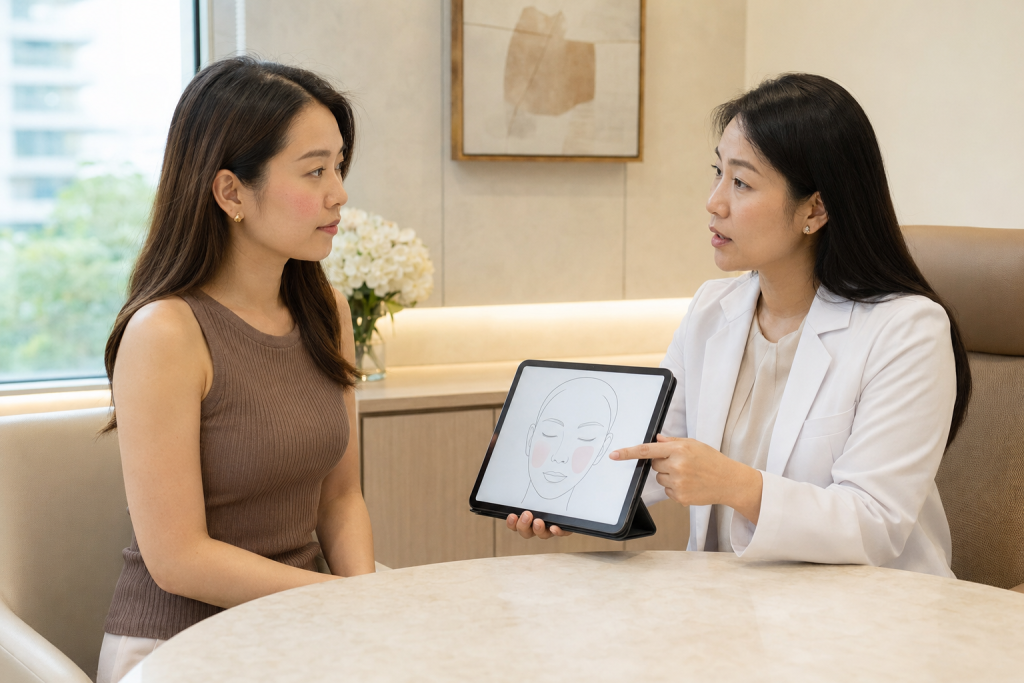
Both treatments require careful product selection and an assessment of your skin and medical history. The possible risks also differ because exosomes are applied after another procedure, while polynucleotides are injected.
Exosome Treatment Considerations
The safety and quality of an exosome treatment can depend on:
- The source and formulation of the product
- Manufacturing and storage standards
- Sterility and product traceability
- The procedure performed before application
- The condition of the skin at the time of treatment
Redness, sensitivity, warmth, dryness, or mild swelling may occur after the accompanying procedure. Treatment may need to be postponed if the skin is infected, inflamed, sunburned, or actively irritated.
Pregnancy, breastfeeding, medication use, existing medical conditions, and previous skin reactions should be discussed during the consultation. People receiving treatment for cancer or another complex medical condition should seek advice from their treating specialist before considering exosome-based aesthetic care.
Polynucleotide Treatment Considerations
Temporary reactions can develop around the injection sites, including:
- Redness
- Swelling
- Tenderness
- Bruising
- Small raised bumps
The doctor should also check for allergies, active skin infections, inflammation, medical conditions that may affect healing, and the source of the polynucleotide product. Some formulations are derived from fish, so relevant allergies must be disclosed.
Polynucleotide treatment may not be appropriate during pregnancy or breastfeeding. Suitability should always be assessed individually.
In Singapore, aesthetic treatments should be performed under appropriate medical supervision using products with a clear and traceable source. Be cautious of treatments promoted with guaranteed results or claims that they can completely reverse skin ageing.
Exosome and Polynucleotide Treatments at NU.U Clinic

NU.U Aesthetics & Wellness Clinic offers exosome treatments and HPT, a polynucleotide-based treatment for supporting skin quality.
Before recommending either option, Dr K. K. Chew will assess your skin concerns, medical history, previous treatments, and comfort with the proposed procedure. This helps determine whether one treatment, a combination plan, or another approach may be more appropriate.
The aim is to choose a treatment based on what your skin genuinely needs. Results and treatment experiences vary between individuals.
Frequently Asked Questions
Are exosomes or polynucleotides better for skin rejuvenation?
Neither is better for everyone. Exosomes may be considered for overall skin conditioning and recovery after a suitable procedure, while polynucleotides may suit concerns such as dehydration, fine lines, and reduced elasticity.
Are exosomes made from salmon sperm?
Not necessarily. Exosomes may come from different biological sources depending on the product. Polynucleotides are commonly derived from purified salmon or trout DNA, which may explain the confusion between the two treatments.
Are exosomes associated with cancer?
Exosomes are not cancer cells. However, they are involved in cell communication, and researchers continue to study how different types of exosomes behave in healthy tissue and disease. Anyone with active cancer or a history of cancer should consult their treating specialist before considering treatment.
How many sessions may be needed?
The treatment course depends on the product, skin concern, accompanying procedure, and individual response. A doctor can recommend a schedule after examining the skin.
Can exosomes and polynucleotides be used together?
They may be included in the same treatment plan when appropriate, although they may be scheduled separately. The doctor will consider treatment timing, skin recovery, and the purpose of each procedure.


 +65 6732 9989
 +65 9152 3582