
Large pores can be frustrating, especially when they make your skin look uneven or textured no matter what you apply. They are most noticeable on the nose, cheeks, and T-zone, where oil production tends to be higher. Many people search for a large pores treatment hoping to “close” them, but pores do not actually open and close. What you can do is reduce how visible they appear.
If you are exploring large pores treatment Singapore options, it helps to understand what is really causing them. For some, it is excess sebum and clogged pores. For others, it is collagen loss, sun damage, or acne scars affecting skin texture. This is why results can vary. Skincare can help manage oil and keep pores clear, but it often has limits when deeper skin structure is involved.
At NU.U Aesthetics & Wellness Clinic, treatment usually starts with understanding your skin rather than jumping straight into a procedure. Factors like oil levels, elasticity, and overall skin condition are assessed first. From there, a more targeted approach can be considered, often combining different treatments to gradually improve pore appearance in a natural and balanced way.
Table of Contents
What Are Large Pores and Why Do They Appear
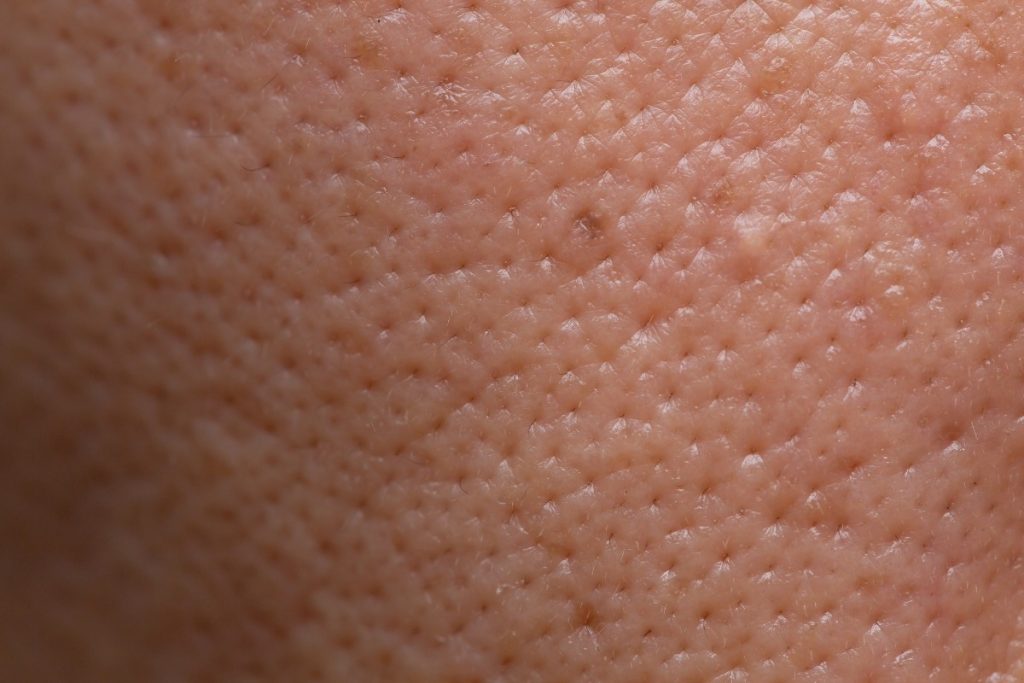
Pores are small openings on the skin that release oil and sweat. They are part of your skin’s natural structure and cannot be removed. What people refer to as “large pores” are pores that appear more visible due to oil, skin texture, or loss of firmness.
They are usually more noticeable in areas where oil glands are more active. This includes the nose, cheeks, and T-zone. When these pores become filled with oil or lose support from surrounding skin, they look wider and more defined.
What Causes Large Pores on the Face
1. Excess oil (sebum production)
When the skin produces too much oil, pores can become enlarged. Oil mixes with dead skin cells and debris, making pores appear more visible.
2. Collagen loss and reduced skin elasticity
Collagen helps keep skin firm and tight. As collagen levels decline, the skin around pores loses support, causing them to stretch and look larger.
3. Sun damage and ageing
UV exposure breaks down collagen over time. This weakens skin structure and contributes to enlarged pores, especially as the skin ages.
4. Acne, clogged pores, and inflammation
Frequent breakouts and clogged pores can stretch the pore walls. Inflammation from acne may also damage surrounding tissue, making pores more noticeable.
5. Genetics
Some people naturally have larger pores. If pore size runs in your family, it may be more noticeable regardless of skincare routine.
Can Large Pores Be Reduced Permanently
Large pores cannot be permanently removed or “closed.” Pore size is part of your skin’s structure. What treatments can do is reduce how visible they appear.
This is an important distinction. Many products and treatments focus on improving skin texture, controlling oil, and supporting collagen. These changes can make pores look smaller, but they do not eliminate them completely.
What Actually Helps Large Pores
What actually helps large pores depends on what is causing them. There is no single treatment that works for everyone.
If excess oil is the main issue, treatments that control sebum and keep pores clear may help. If the concern is collagen loss or skin laxity, treatments that support collagen production are often considered. For acne-related pores, improving skin texture and reducing scarring becomes the focus.
This is why one-size-fits-all solutions often fall short. A routine or treatment that works for one person may not give the same results for another. A more targeted approach, based on skin condition and underlying cause, usually leads to better and more consistent improvement.
Can Skincare Alone Improve Large Pores?
Skincare can help manage large pores, but it has limits.
Ingredients like salicylic acid help clear clogged pores and reduce oil buildup. Retinoids support skin renewal and may improve overall skin texture over time. Niacinamide can help regulate oil production and refine the appearance of pores.
These steps are useful for maintenance and early concerns. However, when pores are linked to collagen loss, ageing, or acne scars, skincare alone may not be enough. In these cases, professional treatments may be considered to target deeper layers of the skin and support more noticeable improvement.
Treatment Options for Large Pores
There are different ways to manage large pores, depending on their cause and severity. These generally fall into two groups: at-home care and professional treatments. Both can play a role, but they serve different purposes.
At-Home Care and Maintenance
Daily skincare helps keep pores clean and less visible.
- Oil control: Using products that regulate sebum can prevent pores from becoming clogged and stretched.
- Exfoliation: Chemical exfoliants like salicylic acid help remove dead skin cells and clear buildup inside pores.
- Skin barrier support: A balanced skincare routine keeps the skin healthy, which can improve overall skin texture and reduce the appearance of pores.
Professional Treatments That May Help Refine Pores
When skincare is not enough, professional treatments can help target the deeper layers of the skin where pore visibility often starts.
1. Skin Booster
Skin boosters are treatments placed beneath the skin to improve hydration and overall skin quality from within. When the skin is better hydrated and more balanced, it tends to look smoother, which can make pores appear less obvious over time.
ECM-Based Skin Booster (Extracellular Matrix Support)
ECM-based skin boosters are derived from Human Acellular Dermal Matrix (hADM), which comes from dermal tissue that has been processed to remove cells, leaving behind the extracellular matrix (ECM), the skin’s natural support framework. This matrix contains key components like collagen, elastin, and glycosaminoglycans, which help maintain skin strength, elasticity, and hydration.
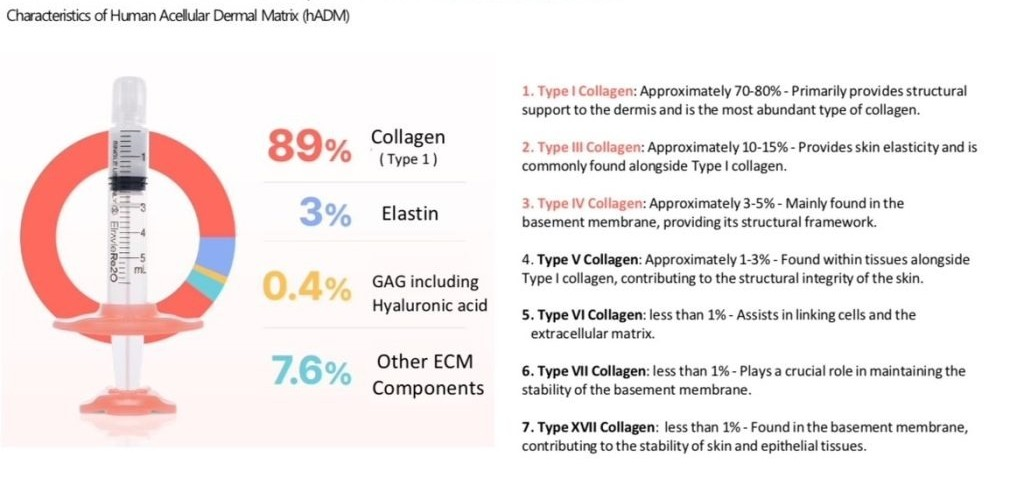
By working in the deeper layers where skin support gradually declines, this approach focuses on improving overall skin quality rather than surface hydration alone. As the skin becomes more supported and balanced over time, pores may appear more refined, especially when their visibility is linked to reduced firmness or uneven texture.
2. Laser Treatment for Pores
Laser treatments work by gently resurfacing the skin and encouraging collagen to rebuild over time. As the skin renews and becomes smoother, the edges of the pores appear less defined.
3. Microneedling for Large Pores
Microneedling uses fine needles to create tiny, controlled openings in the skin. This signals the skin to repair itself and produce more collagen, which helps improve firmness and reduce the look of enlarged pores gradually.
4. Chemical Peels and Skin Renewal
Chemical peels remove the outer layer of dead or damaged skin and help the skin renew itself more evenly. This can keep pores clearer, improve texture, and make the skin look more refined overall.
Why Combination Treatments Are Often Used
Large pores are usually caused by more than one factor. For example, oil production, collagen loss, and past acne can all contribute at the same time.
Because of this, combining treatments is often more effective than relying on just one. A combination approach can address multiple concerns, improve overall skin texture, and lead to more balanced and gradual results.
How to Choose the Right Treatment for Enlarged Pores
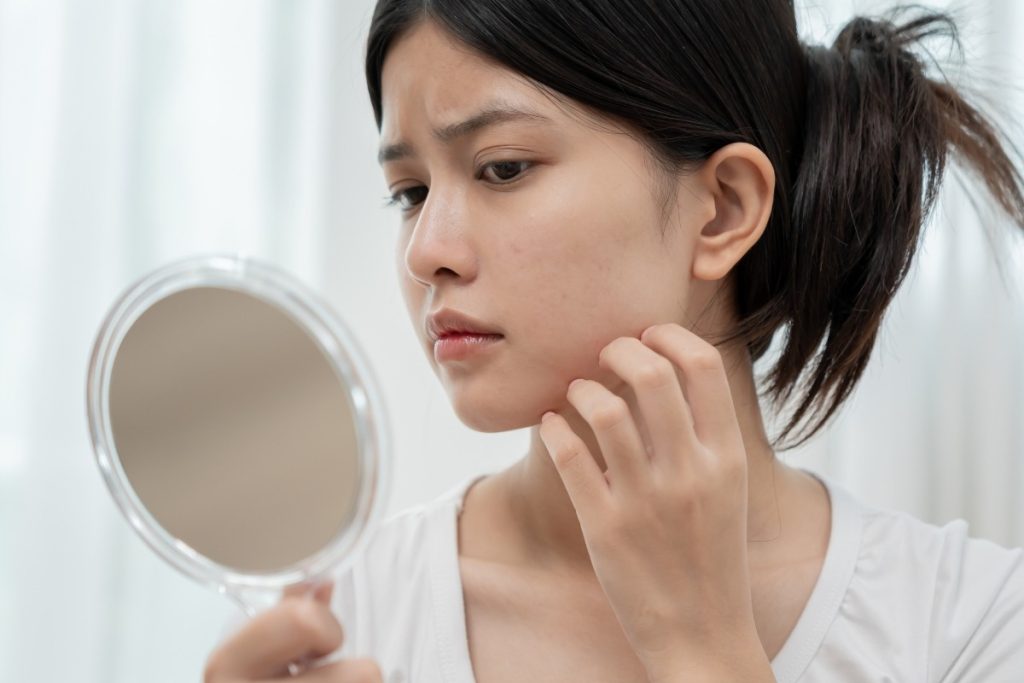
Choosing the right treatment depends on understanding your skin, not just the size of your pores.
Based on Underlying Cause
- Oil-related pores: Focus on controlling sebum and keeping pores clear. Treatments that manage oil and prevent buildup are usually considered.
- Collagen-related pores: When pores are linked to skin laxity, treatments that support collagen production may help improve firmness and reduce their appearance.
- Acne-related pores: If pores are affected by acne scars or inflammation, treatments often focus on improving skin texture and smoothing the skin surface.
Based on Skin Type and Condition
- Oily skin: More prone to clogged pores and shine. Oil control and regular exfoliation are important.
- Ageing or dry skin: Often linked to collagen loss and reduced elasticity. Treatments that improve skin structure may be more suitable.
Why Personalised Treatment Planning Matters
There is no single treatment that works for everyone. Skin varies in oil levels, thickness, sensitivity, and overall condition.
A proper skin assessment helps identify what is causing the pores and which approach may be suitable. In clinics like NU.U Aesthetics & Wellness Clinic, treatment planning is typically tailored to the individual. This allows different concerns to be addressed in a more targeted and balanced way, rather than relying on a general or one-size-fits-all solution.
Why Some Large Pores Respond Better Than Others
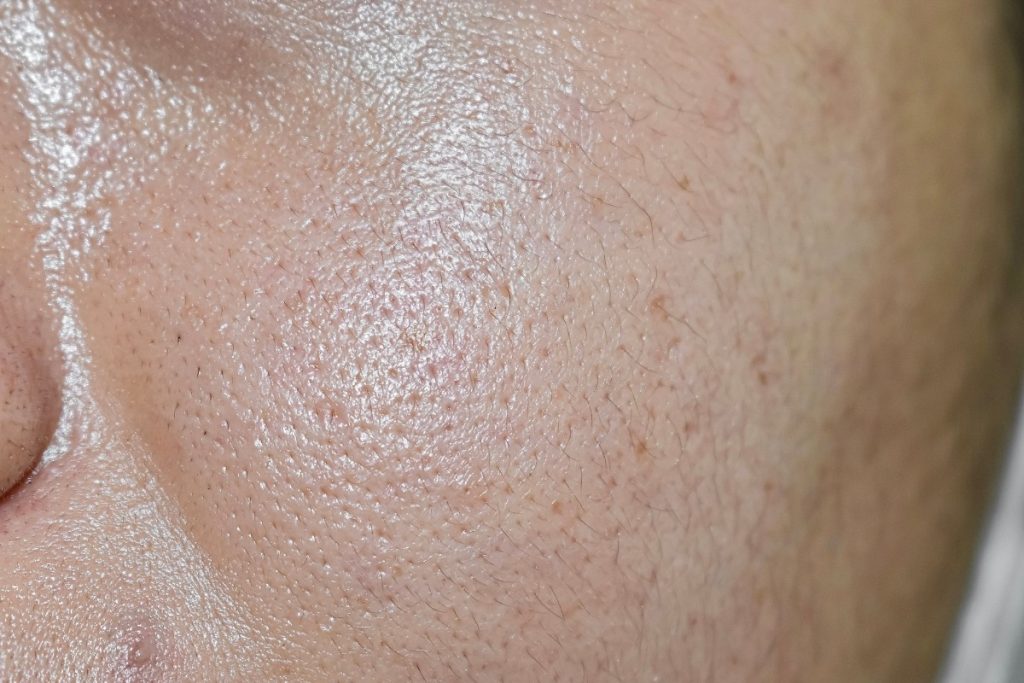
Not all large pores respond the same way to treatment. This is because their causes and depth can differ.
Structural vs surface-level pores
Surface-level pores, often caused by oil and buildup, tend to respond better to skincare and light treatments. Structural pores, linked to collagen loss or skin laxity, are deeper and may require more targeted treatments.
Impact of acne scars
Pores affected by acne or inflammation can become stretched or irregular. In these cases, the concern is not just pore size but also uneven skin texture, which can take longer to improve.
Skin thickness and elasticity
Thicker or more resilient skin may respond more easily to treatment. Skin with reduced elasticity or long-term damage may show slower or more gradual improvement.
The Role of Collagen in Pore Size and Skin Texture
Collagen plays an important role in how visible pores appear. It helps support the skin around each pore, keeping it firm and smooth. When collagen levels are strong, the surrounding skin holds its shape better, so pores look tighter and less noticeable.
As collagen naturally declines with age or sun exposure, the skin loses some of this support. It becomes less firm, which allows pores to stretch and appear larger. This is often more noticeable on areas like the cheeks, where skin elasticity changes over time.
Because of this, many professional treatments focus on supporting collagen production. By improving skin firmness and structure, these treatments can help refine the appearance of pores and create smoother-looking skin over time.
What to Expect from Large Pores Treatment
Results from large pores treatment are usually gradual and depend on the type of treatment and the condition of your skin.
When results may start to show
Some treatments may show early improvements within a few weeks, especially those that target surface concerns. Others, particularly those that support collagen, take more time.
Gradual improvement over time
Pore appearance typically improves step by step rather than instantly. Consistency and follow-up sessions are often needed.
Number of sessions and maintenance
Multiple sessions may be recommended depending on the treatment. Maintenance treatments can help sustain results over time.
Downtime and recovery
Downtime varies. Some treatments have little to no recovery time, while others may involve temporary redness or sensitivity.
Common side effects
Mild redness, dryness, or slight swelling can occur after treatment. These effects are usually temporary and settle within a few days depending on the procedure.
Large Pores Treatment Cost Factors in Singapore
The cost of large pores treatment Singapore options varies based on several factors. These include the type of treatment used, the number of sessions needed, and the size of the treatment area. In addition, the experience of the practitioner can influence pricing, as more personalised treatment planning may involve a higher level of clinical assessment.
How to Prevent Large Pores from Becoming More Visible
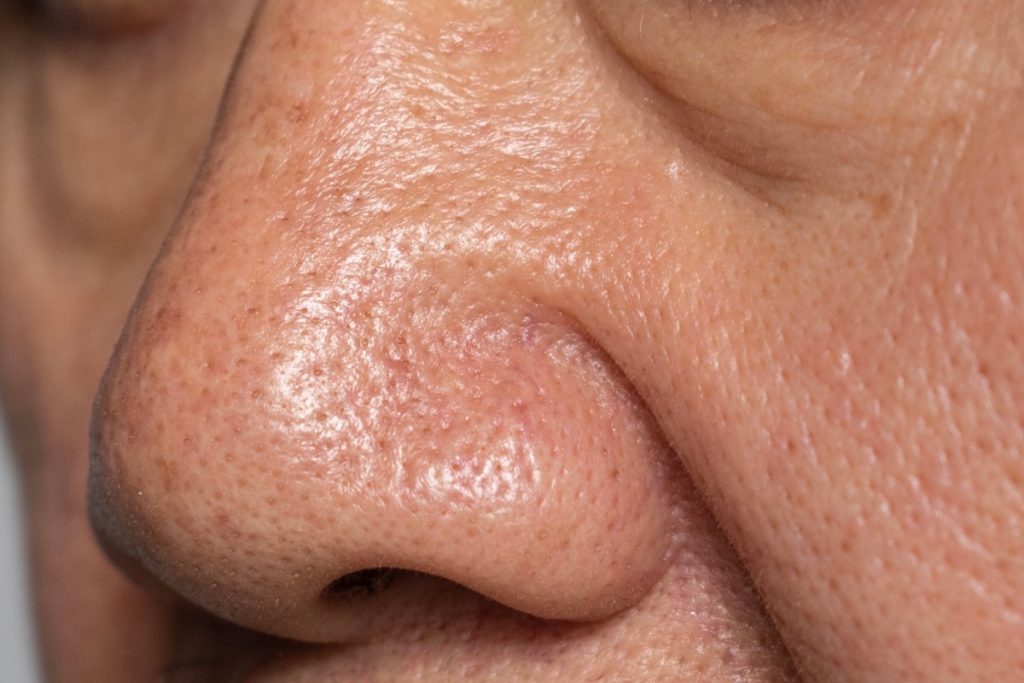
While pores cannot be removed, certain habits can help prevent them from becoming more noticeable over time.
- Sun protection: Daily sunscreen helps protect collagen and prevent skin damage, which can make pores appear larger.
- Oil control: Managing excess sebum reduces the chance of clogged pores and buildup that can stretch pore walls.
- Consistent skincare routine: Regular cleansing and appropriate use of active ingredients can help maintain clearer pores and smoother skin texture.
- Avoid over-exfoliation: Too much exfoliation can irritate the skin and weaken the barrier, which may make pores look more prominent.
Considering Treatment at an Aesthetic Clinic in Singapore
If large pores remain noticeable despite consistent skincare, it may help to consider a professional assessment. This allows the underlying cause to be identified more clearly, whether it is excess oil, collagen loss, or acne-related skin changes.
A consultation is an important first step. It helps match the right treatment to your skin type and condition, rather than relying on a general approach. Since different causes require different solutions, this ensures that treatment is more targeted and aligned with your goals.
It is also important to have realistic expectations. Most treatments aim to improve the appearance of pores gradually, not eliminate them completely. Results can vary depending on your skin condition and how it responds over time.
NU.U Aesthetics & Wellness Clinic

At NU.U Aesthetics & Wellness Clinic, treatment planning is guided by a personalised, medical approach. With experience in aesthetic medicine since 2004, the clinic focuses on understanding each patient’s skin before recommending any treatment.
A range of technologies may be used, including laser treatments, RF microneedling, and skin rejuvenation therapies. These are often combined when needed to address different causes of large pores, such as oil production, collagen loss, or uneven skin texture.
The goal is not a one-size-fits-all solution, but a tailored plan that supports gradual, natural-looking improvement. By focusing on both skin health and structure, NU.U aims to refine pore appearance while maintaining balanced and realistic results.
Frequently Asked Questions About Large Pores Treatment
What treatment is best for enlarged pores?
There is no single best treatment for enlarged pores. The right option depends on what is causing them. Oil-related pores may benefit from treatments that control sebum, while pores linked to collagen loss may require treatments that improve skin firmness. A proper assessment helps determine the most suitable approach.
What is the best pore tightener?
Pore tightening usually refers to improving how pores look rather than physically shrinking them. Treatments that support collagen production and improve skin texture are often used for this purpose. Skincare ingredients like retinoids and niacinamide may also help maintain results.
Can enlarged pores ever go away?
Enlarged pores cannot be completely removed, as they are part of the skin’s structure. However, their appearance can be reduced with the right combination of skincare and professional treatments. Results are usually gradual and require maintenance.
How do I stop my pores from being large?
You cannot stop pores from existing, but you can prevent them from becoming more noticeable. This includes managing oil production, keeping pores clear, protecting the skin from sun damage, and maintaining a consistent skincare routine.
How do dermatologists treat large pores?
Dermatologists typically assess the underlying cause before recommending treatment. Options may include topical skincare, chemical peels, laser treatments, or microneedling. In many cases, a combination of treatments is used to improve skin texture and reduce the appearance of pores over time.


 +65 6732 9989
 +65 9152 3582