
Subtle changes around the jawline often appear gradually. Skin may feel less firm and areas around the jowls can soften over time, which is why some people begin exploring non-surgical options such as HIFU Singapore.
HIFU treatment (High-Intensity Focused Ultrasound) uses focused ultrasound energy to target layers beneath the skin. In aesthetic practice, it is commonly used to support skin tightening in areas such as the lower face, jawline, and neck.
This guide explains how HIFU treatment works, what changes may appear over time, and what to expect in terms of downtime and price factors in Singapore. Because skin condition and treatment needs vary between individuals, a personalised consultation with an aesthetic clinic, such as NU.U Aesthetics & Wellness Clinic, can help determine whether HIFU is appropriate and how the treatment plan should be tailored.
Table of Contents
What Is HIFU and How Does It Work?
HIFU, short for High-Intensity Focused Ultrasound, is a treatment that uses ultrasound energy to reach targeted layers beneath the skin. It is commonly used to support skin tightening in areas where mild laxity has developed.
During the procedure, a handheld device delivers ultrasound energy to precise depths under the skin. This creates controlled thermal points within deeper tissue layers while leaving the surface largely unaffected.
Key points about how HIFU works:
- Delivers focused ultrasound energy beneath the skin
- Targets deeper tissue without surgical incisions
- Commonly used for the jawline, lower face, and neck
Different clinics may use varying HIFU technologies depending on their treatment protocols. At NU.U Aesthetics & Wellness Clinic, systems such as Ultraformer MPT may be used as part of treatment planning, with device settings selected based on individual skin condition and treatment goals during consultation.
After treatment, the body responds through natural repair processes. Over time, this response may support gradual tightening in treated areas, which is why HIFU facial treatments are often discussed for improving jawline definition.
Changes usually develop progressively rather than immediately. Some individuals begin noticing subtle improvements as the skin responds over the following weeks.
Why the Jawline and Jowls Change With Age
The contour of the jawline depends on several structural elements within the skin. Over time, natural changes in collagen and elastin can reduce the skin’s ability to remain firm and supported.
These changes may affect the lower face in several ways:
- Skin becomes less elastic
- Support structures beneath the skin weaken
- Soft tissue may shift downward
As a result, the jawline may appear softer and the jowls may become more noticeable. These changes develop gradually and are a normal part of ageing.
Because of this, some individuals begin exploring treatments that support skin firmness. In Singapore, HIFU treatment is often discussed during consultation as one possible option for addressing mild skin laxity in the lower face.
How HIFU Treatment Can Support Jawline and Jowls Tightening
Changes in the lower face can affect how defined the jawline appears. As skin laxity develops, the outline of the jaw may soften and the jowl area may become more noticeable.
HIFU treatment is often used to focus on areas where skin support has weakened. The aim is to support firmness in the lower face so facial contours appear more balanced.
Areas commonly treated with HIFU in Singapore include:
- Jawline – to support clearer lower-face definition
- Jowls – where early sagging may appear beside the chin
- Lower face – to address mild laxity affecting facial contours
- Upper neck – where skin laxity may influence the jawline transition
Because facial anatomy and skin quality differ between individuals, treatment plans are usually personalised. A consultation helps determine whether HIFU facial treatment may be suitable for the areas of concern.
Who May Be Suitable for HIFU Treatment
HIFU treatment is often considered by individuals beginning to notice early skin laxity but who are not ready to explore surgical procedures. It may be discussed for those who want to support facial firmness while maintaining a natural appearance.
Many people exploring HIFU in Singapore prefer a non-surgical approach that does not involve incisions or extended recovery time. However, suitability depends on factors such as skin condition, facial structure, and aesthetic goals.
A medical assessment is recommended before undergoing HIFU facial treatment. At a qualified aesthetic clinic in Singapore, such as NU.U Aesthetics & Wellness Clinic, practitioners review these factors and recommend a personalised treatment plan if appropriate.
HIFU Results Timeline: When Changes May Appear
After HIFU treatment, some individuals notice a slight feeling of firmness shortly after the session. This early response is temporary and does not represent the final outcome.
Gradual changes usually develop as the skin responds over time. Early improvements may begin to appear within 4 to 6 weeks, while more noticeable tightening may be seen around 8 to 12 weeks after treatment.
In some cases, improvements may continue to develop for several months. The timeline varies depending on factors such as age, skin condition, and the treatment approach recommended during consultation.
HIFU Downtime and Recovery
Recovery time is a common question when considering HIFU in Singapore. Most people are able to continue their usual daily activities shortly after treatment.
Following HIFU treatment, the treated area may feel slightly sensitive for a short period. Some temporary reactions may occur, including:
- Mild redness
- Light swelling
- Tenderness when touching the area
These effects usually settle within a few hours to a few days. Following aftercare guidance from the clinic helps support a comfortable recovery.
HIFU Price Singapore: What Affects Treatment Cost
The price of HIFU treatment in Singapore varies depending on the treatment area, the number of treatment lines used, and the device technology available at the clinic.
As a general guide, smaller areas such as the jawline may range from about $400 to $800, while treatments covering the lower face often range between $800 and $1,800. More extensive treatments involving the full face or face and neck may range from approximately $1,800 to $3,500 or more, depending on the clinic and device used.
Several factors can influence HIFU price in Singapore:
- Treatment area
- Number of shots or treatment lines
- Type of HIFU device technology
- Doctor consultation and treatment planning
Because treatment plans vary between individuals, the final cost of HIFU treatment is usually confirmed during consultation.
Choosing a HIFU Clinic in Singapore
Choosing the right clinic is an important step when considering HIFU in Singapore. A consultation allows a doctor to assess skin condition, discuss concerns, and determine whether HIFU treatment is appropriate.
Doctor-led treatment planning helps ensure that the procedure is performed using suitable device settings and treatment depth. These factors are adjusted based on the individual’s facial structure and treatment area.
A reputable clinic should also explain expected outcomes and potential risks clearly. This allows patients to make informed decisions before proceeding with HIFU facial treatment.
Personalised HIFU Treatment Planning at NU.U Aesthetics & Wellness Clinic
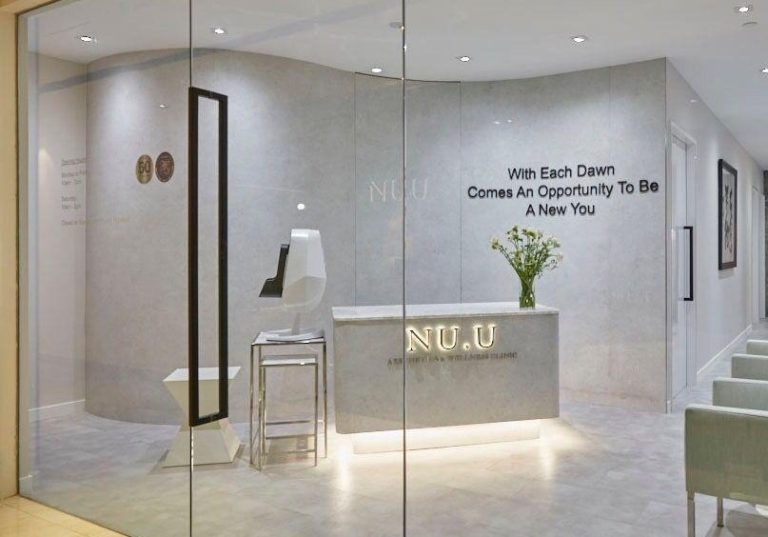
At NU.U Aesthetics & Wellness Clinic in Singapore, consultations focus on understanding each patient’s skin concerns before recommending treatment. Dr K K Chew, Medical Director and founder of the clinic, has been practising aesthetic medicine since 2004. He assesses factors such as facial structure, degree of skin laxity, and treatment goals to determine whether HIFU treatment may be suitable.
This personalised approach allows the clinic to recommend treatment settings and coverage areas tailored to the individual. Treatments such as Ultraformer MPT may be used as part of the clinic’s HIFU treatment protocols. The system incorporates Micro-Pulsed Transducer (MPT) technology, which enables ultrasound energy to be delivered in controlled pulses that can be adjusted according to the treatment area and skin condition.
In some cases, Dr Chew may combine Ultraformer MPT with monopolar radiofrequency treatments such as Volnewmer (Volformer) to target different skin depths within the same treatment plan.
Clear guidance on expected outcomes, possible risks, and aftercare is also provided before any aesthetic procedure.
Frequently Asked Questions About HIFU Singapore
How much does HIFU cost in Singapore?
The cost of HIFU treatment in Singapore depends on the treatment area and number of treatment lines used. Smaller areas such as the jawline may range from about $400 to $800, while lower face treatments may range from $800 to $1,800. Treatments covering the full face or face and neck may range from around $1,800 to $3,500 or more, depending on the clinic and device used.
Is HIFU really worth it?
For individuals with mild to moderate skin laxity, HIFU facial treatment may help support gradual skin tightening in areas such as the jawline and lower face. It is often considered by people looking for non-surgical options with minimal downtime. A consultation helps determine whether HIFU treatment is suitable for the individual’s concerns.
Is HIFU Singapore on face permanent?
The effects of HIFU treatment are not permanent because the skin continues to age naturally. The treatment supports gradual tightening within the skin, but results may slowly change over time. Some individuals consider maintenance sessions depending on their skin condition and goals.
What age is best for HIFU Singapore?
There is no fixed age for HIFU treatment. It is often discussed for individuals who begin noticing early skin laxity, such as softer jawline definition or mild sagging in the lower face.
Is one session of HIFU enough?
For some individuals, one HIFU session may support gradual tightening, especially when skin laxity is mild. However, treatment plans can vary depending on the treatment area and skin condition, and a practitioner may recommend the most appropriate approach during consultation.


 +65 6732 9989
 +65 9152 3582