

Collagen injections are treatments that aim to help the skin produce more of its own collagen over time. Despite the name, many do not inject collagen directly. Instead, they use collagen stimulators or biostimulators that are designed to support gradual changes in firmness, structure, and facial contour.
Your skin does not change overnight. In your mid-20s, it can still look smooth and firm, but collagen production has already started to slow down. Over time, this may contribute to fine lines, softer contours, and skin that feels less firm, especially with regular sun exposure in Singapore.
For some people, collagen injections or collagen booster treatments may be part of a wider collagen banking plan. The aim is to support the skin’s collagen response before visible changes become more noticeable.
At NU.U Aesthetics & Wellness Clinic in Singapore, treatment starts with a medical assessment and a personalised plan based on your skin condition and goals. Depending on your needs, a collagen injection may be discussed alongside other collagen-stimulating treatments.
Table of Contents
What Is Collagen Banking?
Collagen banking is a preventive approach to skin ageing that focuses on supporting collagen production before visible signs become more pronounced. It does not mean physically storing collagen in the skin. Instead, it involves supporting your body’s natural collagen-building processes while the skin still retains much of its firmness and structural strength.
Collagen plays an important role in skin elasticity, density, and contour. As collagen gradually declines with age, the skin may develop fine lines, laxity, and a thinner appearance. Collagen banking takes a longer-term approach by using medically assessed treatments, which may include energy-based procedures or collagen-stimulating injections, depending on your skin condition and goals.
Why Collagen Declines and Why It Matters in Singapore
Collagen production naturally slows with age as fibroblasts, the cells responsible for producing collagen, become less active over time. In Singapore, frequent exposure to ultraviolet radiation may also contribute to collagen breakdown, while factors such as lifestyle and environmental exposure can affect overall skin health.
These changes happen gradually and are part of the normal ageing process. Understanding what affects collagen can help you make more informed decisions about skincare and aesthetic treatments, including when a collagen booster injection or another collagen-stimulating approach may be appropriate.
Who Is Suitable for Collagen Banking?
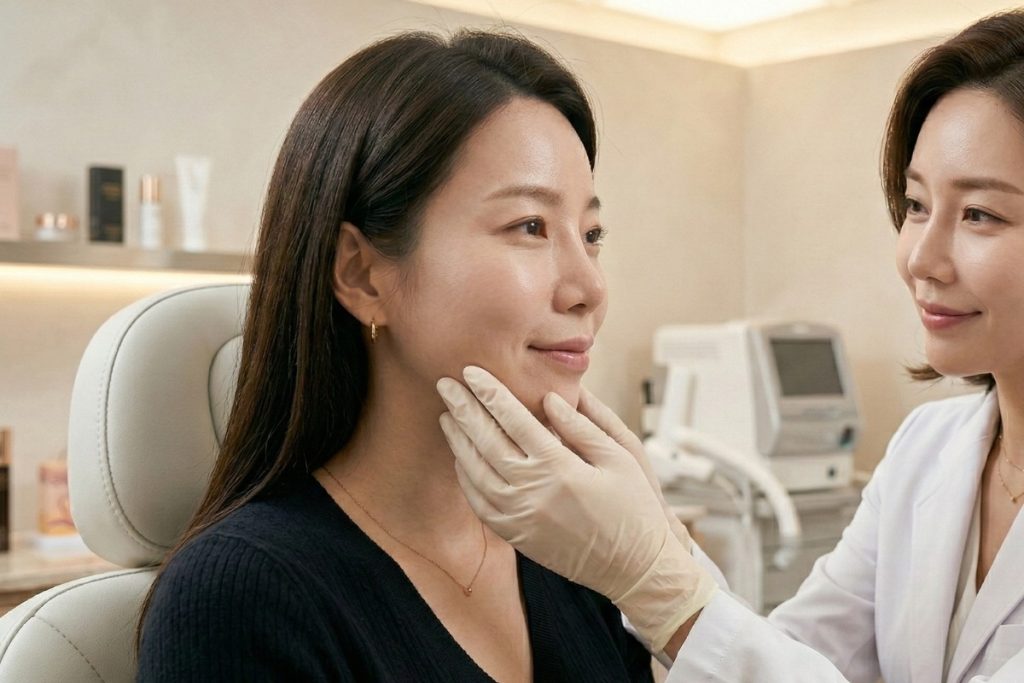
Collagen banking is often considered by people in their late 20s to 40s who are interested in supporting their skin as early signs of ageing begin to appear. It may also appeal to those noticing mild laxity, changes in texture, or gradual loss of firmness and who prefer improvements that develop progressively rather than dramatic changes.
There is no fixed age at which someone needs to start collagen banking. Suitability depends on your current skin condition, medical history, concerns, and goals. A doctor can assess these factors before deciding if an energy-based treatment, collagen injection, or another approach is appropriate.
What Are Collagen Injections?
The term collagen injection can be confusing because many treatments described this way do not involve injecting collagen directly into the skin. Instead, a collagen stimulator injection or collagen biostimulator contains materials designed to encourage the skin’s own collagen response over time.
These treatments work differently from traditional dermal fillers that primarily add volume. Their effects usually develop gradually as the skin responds to treatment, which is why they may form part of a longer-term collagen banking plan.
How Collagen Banking Works in Aesthetic Medicine
Collagen banking in aesthetic medicine focuses on controlled stimulation of the skin. Depending on your concerns, a treatment plan may include energy-based devices, injectable treatments, or a combination of approaches designed to support the skin’s natural collagen response.
- Energy-based treatments deliver controlled energy to selected skin layers to support collagen remodelling.
- Collagen stimulator injections work beneath the skin to encourage a gradual collagen response.
- Skin boosters and other injectables may be considered when hydration, texture, or overall skin quality is also a concern.
- Treatment selection depends on your skin condition, age, facial structure, and individual goals.
These treatments do not create the same immediate structural change as surgery. Collagen stimulation is a gradual biological process, so changes generally develop over several weeks or months.
Depending on the treatment used:
- Skin may gradually feel firmer and appear smoother.
- Changes in elasticity and skin quality may become more noticeable over time.
- Injectable collagen stimulators may provide progressive structural support as the treatment response develops.
- Maintenance may be discussed based on your skin and the treatment performed.
Timelines vary considerably between treatment types and individuals. A personalised treatment plan helps set realistic expectations for how changes may develop and when follow-up treatment may be appropriate.
Collagen-Stimulating Treatments at NU.U Aesthetics & Wellness Clinic
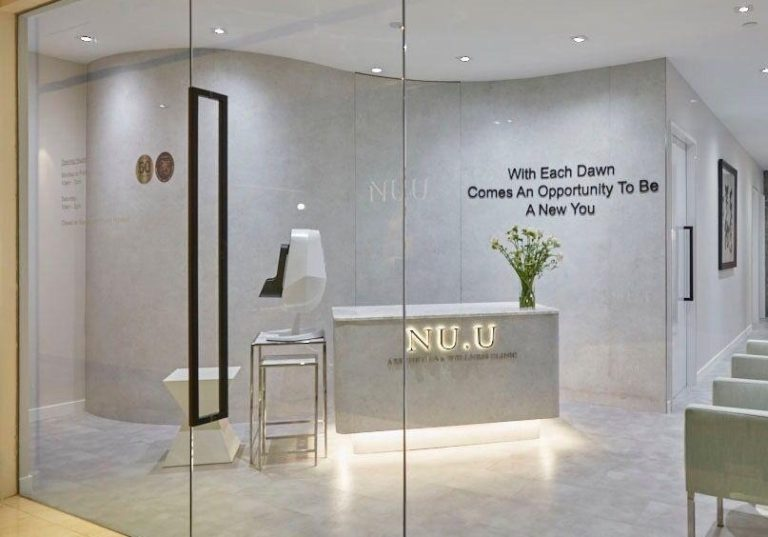
At NU.U Aesthetics & Wellness Clinic, collagen banking Singapore plans are designed around medically guided collagen stimulation. Each collagen banking treatment Singapore approach begins with consultation and skin assessment to determine the most suitable combination of technologies and injectables based on age, skin laxity, and long-term goals.
1. HIFU and Energy-Based Tightening
High-intensity focused ultrasound, or HIFU, delivers focused energy to deeper structural layers of the skin. This controlled stimulation supports natural collagen production, helping improve lifting and firmness gradually over time.
2. Radiofrequency and Microneedling Technologies
Radiofrequency combined with microneedling technologies deliver controlled heat through fine needles into the dermis. This approach encourages dermal remodelling and supports collagen stimulation for concerns such as uneven texture, early laxity, and mild sagging.
3. Collagen Biostimulators
Collagen biostimulators are injectable treatments used to support skin firmness and structure over time. They are often considered for areas with reduced elasticity or early skin laxity.
Common collagen biostimulators used in aesthetic practice include:
- Poly-L-lactic acid (PLLA): A biodegradable synthetic compound that is gradually absorbed by the body. It is typically used in a series of treatments for progressive, overall skin quality improvement.
- Calcium hydroxyapatite (CaHA): A mineral-based compound similar to substances naturally found in the body. It is formulated in a gel carrier and is often used when both immediate support and longer-term improvement are considered.
- Polycaprolactone (PCL): A biodegradable polymer, a type of medical material used in aesthetic treatments, that breaks down more slowly within the skin.
Treatment selection and intervals are determined after medical assessment to ensure safe and natural-looking outcomes.
4. Skin Boosters and Regenerative Injectables
Skin boosters and regenerative injectables are used to support hydration and overall skin quality. Rather than adding volume, these treatments help improve the skin environment so moisture balance and elasticity can be maintained within the dermal layers.
Some newer formulations also focus on the extracellular matrix (ECM), the structural network that supports the skin. One example is human acellular dermal matrix (hADM), a processed dermal matrix that retains components such as collagen, elastin, and glycosaminoglycans after cellular elements are removed.
In aesthetic practice, ECM-focused boosters may be considered when the goal is to support deeper skin quality rather than surface hydration alone.
These treatments are often used as part of a personalised collagen banking strategy at NU.U Clinic, where combination plans aim to support long-term skin resilience in a balanced and measured way.
What Results to Expect

Results from collagen banking and collagen injections usually develop gradually because collagen formation takes time. What you notice, and when you notice it, depends on the treatment used, your baseline skin condition, age, and individual response.
Early Changes (Weeks 2–6)
During the first few weeks, changes may still be subtle. Depending on the treatment, the skin may begin to look smoother or feel firmer as the initial tissue response develops.
For collagen stimulator injections, visible changes are usually gradual rather than immediate. Some treatments may also provide initial support from the injected material, while collagen stimulation continues beneath the skin over time.
Progressive Improvement (Months 2–4)
More noticeable changes may develop over the following months as the skin’s collagen response progresses. Depending on the treatment used, this may include improvements in firmness, elasticity, texture, or facial contour.
With a collagen injection for the face, results can continue to develop after the initial treatment as collagen formation progresses. Energy-based collagen treatments may follow a different timeline, which is why results should be assessed according to the specific procedure rather than collagen banking as a whole.
Maintenance and Longevity

How long the results last depends on the treatment used, your age, baseline skin condition, lifestyle, and how your skin responds. Some collagen banking treatments may require maintenance sessions, while certain collagen stimulator injections can continue to support gradual changes over several months.
Follow-up assessment is important because there is no fixed maintenance schedule that suits everyone. At NU.U Aesthetics & Wellness Clinic, your doctor can review how your skin has responded and advise if another session or a different treatment approach is appropriate.
Safety and Considerations
Collagen banking can involve different medical aesthetic procedures, including energy-based treatments and collagen injections, so side effects and risks vary depending on the treatment selected.
Common temporary effects may include:
- Redness
- Mild swelling
- Tenderness
- Slight bruising
Injectable treatments may also carry risks such as infection, uneven results, or other injection-related complications, while energy-based treatments have their own possible side effects. A doctor should review your medical history, skin condition, and treatment goals before recommending any procedure. Results and recovery vary between individuals, and no treatment can guarantee a specific outcome.
Final Thoughts on Collagen Banking for Skin Longevity
Collagen banking is a long-term approach to supporting skin quality as collagen gradually declines with age. It can involve different strategies, including energy-based treatments, skin boosters, and collagen stimulator injections, depending on your skin condition and goals.
At NU.U Aesthetics & Wellness Clinic in Singapore, treatment planning begins with a medical assessment rather than a fixed protocol. If you are considering a collagen injection in Singapore or exploring collagen banking more broadly, a consultation can help clarify which options may be suitable, how results are expected to develop, and whether maintenance may be needed over time.
Frequently Asked Questions About Collagen Injections
Do collagen injections really work?
Yes, collagen stimulator injections can help improve skin firmness, facial volume, and contour by encouraging the skin’s own collagen response. The changes usually develop gradually over several months, and results vary depending on the treatment used and how your skin responds.
What is a collagen injection used for?
Collagen injections are commonly used for concerns such as volume loss, reduced firmness, fine lines, wrinkles, and changes in facial contour. Many of these treatments are actually collagen biostimulators, which work by encouraging your skin to produce more of its own collagen over time.
How long do collagen injections last?
Results can last around 12 months or longer with some collagen stimulators, but there is no single timeline for every treatment. Longevity depends on the type of injectable, treatment area, number of sessions, and your individual response.
Are collagen injections safe?
Collagen injections are medical treatments and should be done after a proper assessment. Common temporary effects include swelling, redness, tenderness, and bruising, while less common risks can include nodules, infection, or uneven results. The exact risks depend on the injectable used and the area being treated.
What are the benefits of collagen injections?
Collagen injections are designed to support gradual improvements in skin firmness, elasticity, volume, and contour. Because they work by stimulating your own collagen response, the changes tend to build over time rather than appearing all at once.
How much do collagen injections for the face cost?
The price depends on the type of collagen stimulator, treatment area, number of vials or syringes, and how many sessions you need. A personalised consultation will help determine the most suitable treatment plan and give you a clearer idea of the overall cost.


 +65 6732 9989
 +65 9152 3582