
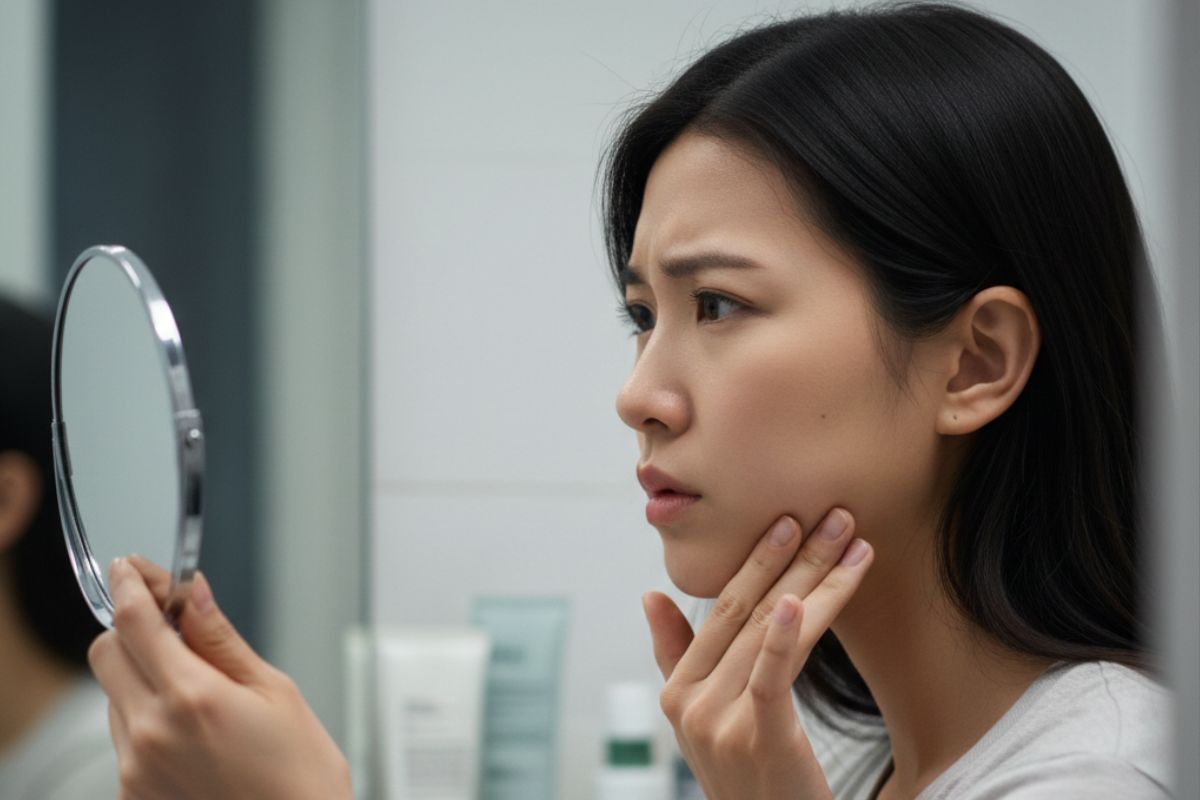
A wider or heavier-looking lower face can come from different causes, such as jaw muscle activity, facial fat, skin laxity, or natural bone structure. Because of this, the v shape face treatments offered by clinics in Singapore are usually chosen based on the specific cause of facial width, rather than aiming to produce the same result for everyone.
Choosing a v shape face treatment is usually less about trends and more about understanding your face and what you want to change. This guide walks through how these treatments work, what they are meant to improve, and how to think about your options based on face shape and goals, so you can make decisions with clearer expectations.
Table of Contents
What Is a V-Shaped Face and How Is It Defined Medically?
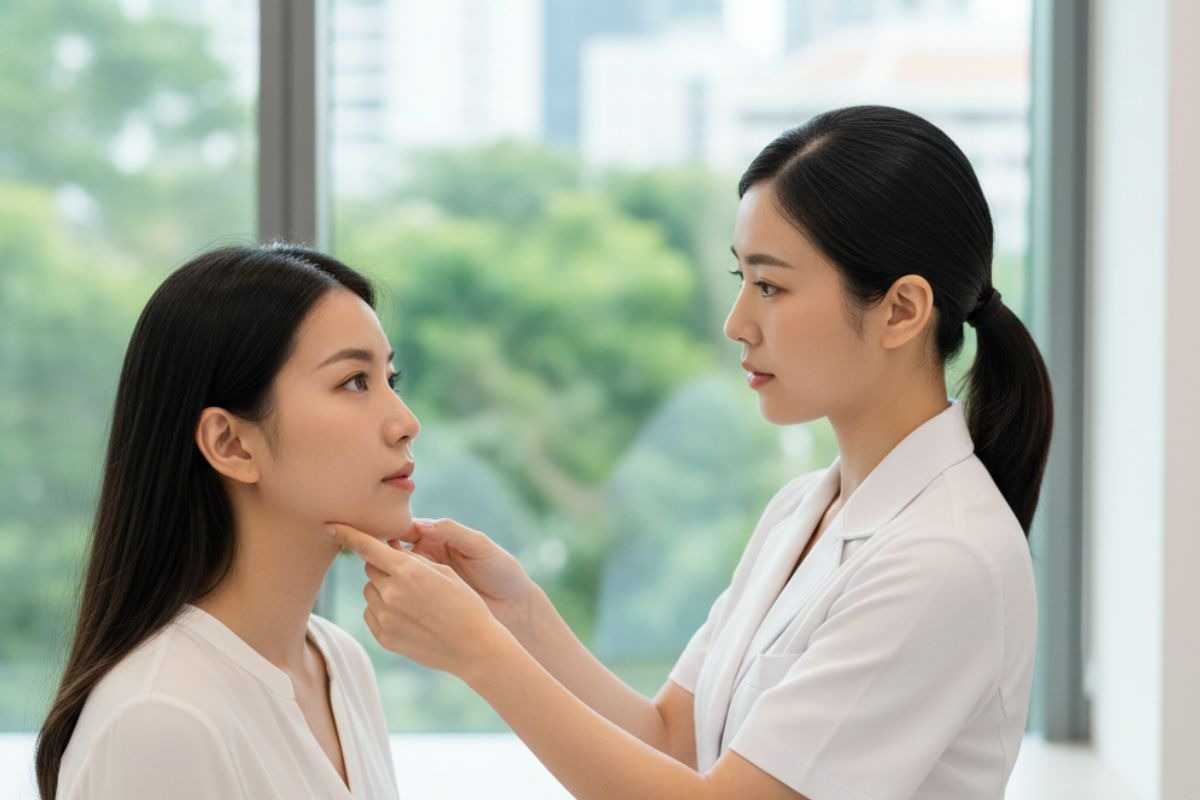
A v shaped face is generally described as a lower face that tapers gently from the cheeks toward the jaw and chin, with balanced chin projection and a jawline that is defined without appearing overly wide. Medically, this shape reflects proportion rather than sharp angles, where muscle size, fat distribution, skin firmness, and bone structure work together to create a V-line face appearance.
It is also important to separate visual contouring from structural change. Many v shape face treatments focus on creating the appearance of a slimmer lower face by addressing muscle activity or skin laxity, while structural changes involve altering bone or removing tissue and are usually surgical. Understanding this difference helps clarify what non-surgical options can realistically achieve.
Why the Lower Face Looks Wider Over Time
A wider or heavier-looking lower face usually develops due to a combination of factors rather than a single cause. Understanding what contributes to facial width helps explain why some treatments are more suitable than others.
- Muscle-related causes: Overactive masseter muscles from clenching, teeth grinding, or genetics can increase jaw bulk and make the lower face appear wider, especially during movement.
- Fat-related causes: Fat can collect or shift downward around the jawline and under the chin, which softens facial contours over time.
- Skin and soft tissue laxity: Reduced collagen and gravity can lead to tissue descent, affecting jawline definition.
- Bone structure: A naturally wider mandibular angle creates a broader lower face that non-surgical treatments cannot change structurally, only balance visually.
Recognising these factors helps set clearer expectations before choosing any v shape face slimming treatment.
Types of V Shape Face Treatments Available in Singapore
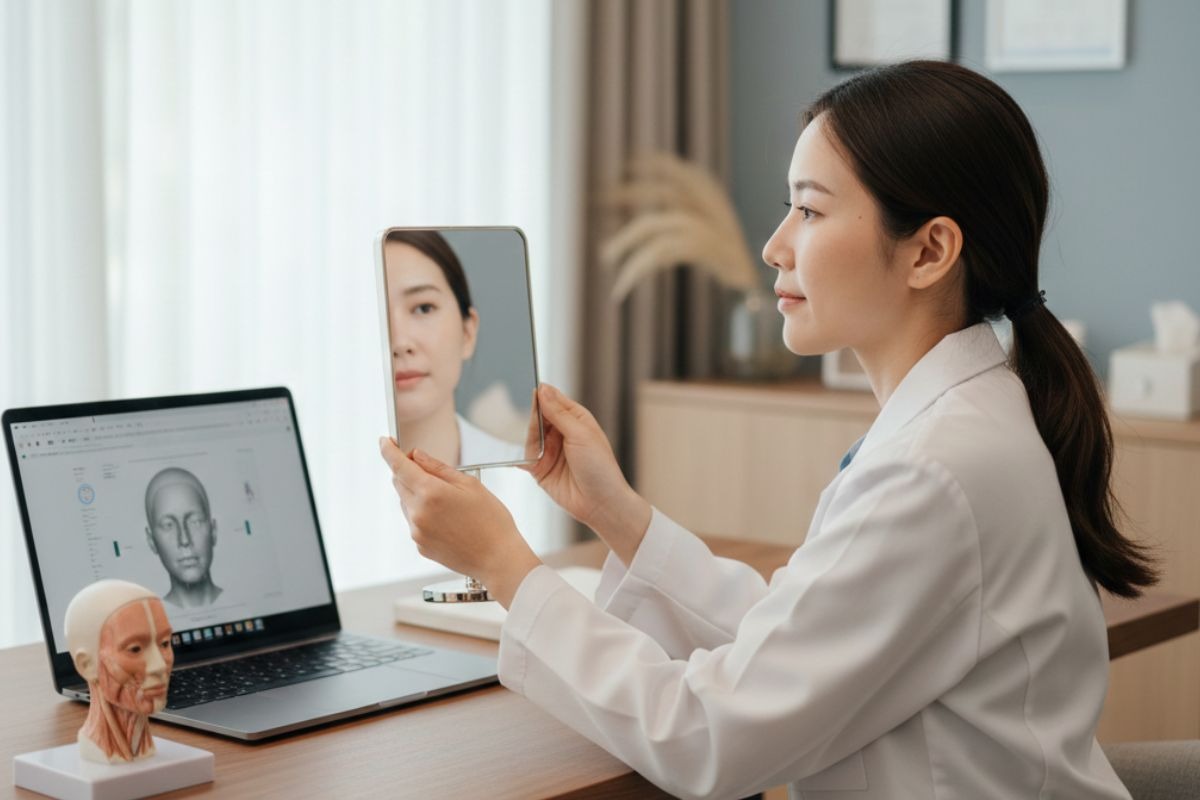
V shape face treatments in Singapore generally fall into a few main categories, based on what is contributing to a wider or heavier-looking lower face. These options are often described under the broader idea of jawline contouring or face slimming treatment, but each works on a different tissue layer and has its own limitations.
1. Muscle-targeting treatments
Jaw reduction with Botox focuses on the masseter muscles, which sit at the sides of the jaw and are responsible for chewing. When these muscles are enlarged due to clenching, teeth grinding, or genetics, they can make the lower face appear wider.
Neuromodulators such as botulinum toxin type A reduce muscle activity by interrupting nerve signals. Over time and with repeat sessions, reduced muscle use can lead to a gradual decrease in muscle bulk. This approach is generally more suitable for individuals whose jaw width is driven by muscle hypertrophy rather than bone structure or fat.
2. Structural contouring treatments
Dermal fillers are used to adjust balance and proportions rather than to slim the face directly. By adding controlled volume to areas such as the chin or along the jawline, fillers can improve projection and create a visual taper toward the lower face.
The key distinction here is projection versus slimming. Improving chin support or jawline definition can make the face appear more balanced and V-shaped, even if overall facial width does not change. Facial proportions and symmetry play a central role, which is why careful assessment is important before this type of treatment.
3. Skin tightening and lifting technologies
Skin laxity can soften the jawline and contribute to a heavier lower-face appearance. In these cases, treatments that focus on skin and soft tissue support may be considered.
- HIFU-based treatments, such as Ultraformer MPT and Ultherapy, deliver focused ultrasound energy to deeper tissue layers to stimulate collagen production and tightening. They are commonly used to address mild to moderate skin laxity around the jawline and lower face.
- RF-based treatments, such as Volnewmer RF, use monopolar radiofrequency energy to heat the dermis while protecting the skin surface with cooling mechanisms. This thermal stimulation promotes collagen remodelling and gradual skin tightening.
Both HIFU and RF can help improve definition related to skin looseness, but they do not reduce muscle bulk, remove fat, or change bone structure.
4. Muscle Toning Treatments
Some treatments focus on improving muscle tone rather than reducing muscle size. These approaches are considered when reduced muscle firmness contributes to a softer or less defined lower face.
WonderFace combines synchronised radiofrequency with neuromuscular emissions. The radiofrequency component heats the dermis to support collagen and elastin production, while low-frequency electrical currents stimulate facial muscle contractions to enhance tone and firmness. This dual action is intended to support skin quality and muscle definition, but it does not shrink enlarged masseter muscles or change underlying bone structure.
5. Tissue repositioning treatments
PDO thread lifts involve placing absorbable threads beneath the skin to lift and reposition sagging tissue along the jawline and lower face. The threads provide an immediate mechanical lift, while also stimulating collagen production as they dissolve over time.
This category is typically considered when tissue descent plays a larger role than muscle or fat. Thread lifts do not reduce muscle size or alter bone structure, and results vary depending on skin quality, placement technique, and individual response.
Together, these categories highlight why treatment choice depends on identifying the underlying cause of facial width, rather than selecting a single solution for everyone.
How to Choose V Shape Face Treatments Based on Face Shape and Goals
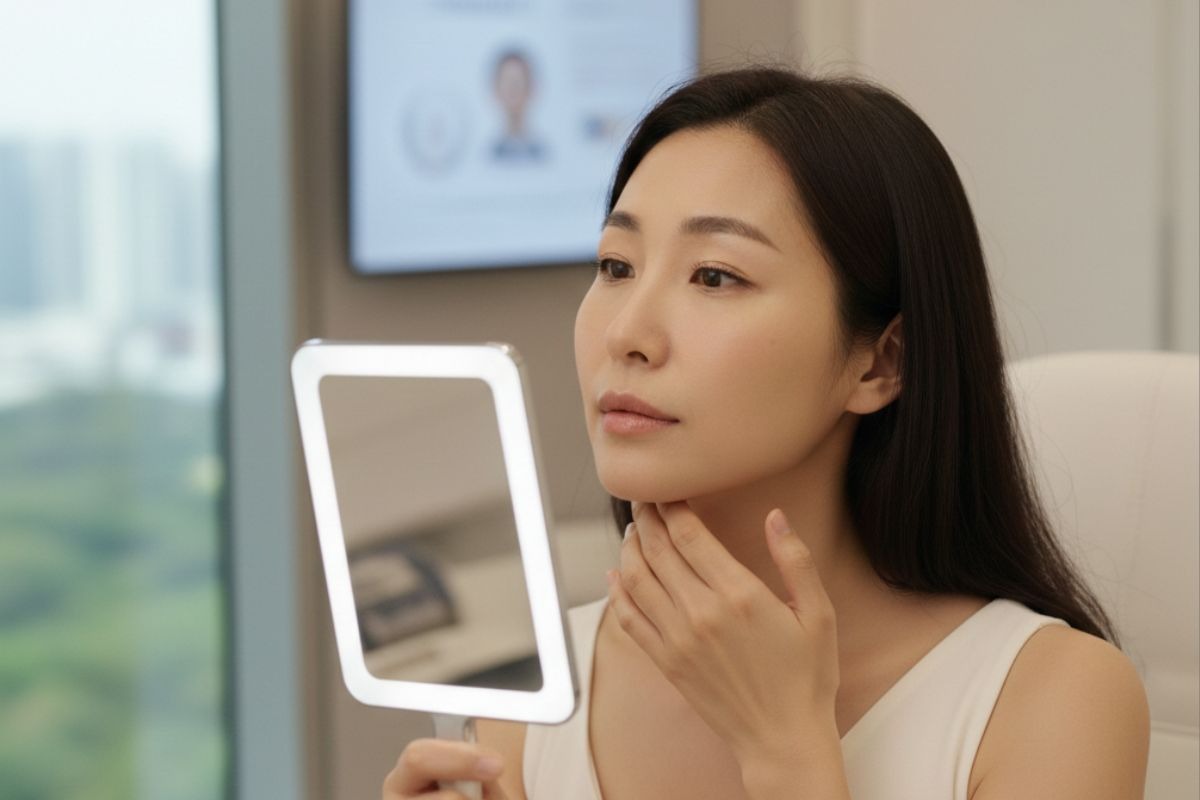
Choosing v shape face treatments usually starts with understanding what is shaping the lower face. Rather than aiming for a fixed idea of a V-shaped face, assessment focuses on practical factors such as jaw muscle activity, facial proportions, and skin firmness.
If your jaw looks wide when you clench
When the jaw appears broader during clenching or chewing, muscle activity is often playing a larger role. This is commonly linked to enlarged masseter muscles rather than bone structure. In these cases, treatment planning may focus on calming muscle activity, with the understanding that changes happen gradually and differ from person to person.
If your chin appears short or recessed
A chin that lacks projection can affect the overall balance of the lower face, even when the jaw itself is not wide. Here, the focus is usually on proportion. Improving chin support can help create a more tapered appearance by balancing the lower face, rather than trying to slim it.
If your face has sagging or loss of firmness
Over time, skin and soft tissue can lose support, which softens the jawline and makes the lower face look heavier. When this is the main concern, treatment direction often centres on improving firmness and support instead of reducing volume.
If multiple factors are involved
It is common for more than one factor to contribute to lower-face shape, such as muscle bulk combined with skin laxity or reduced chin projection. In these situations, a single treatment may not be enough. A staged approach is often considered so changes can be reviewed gradually and treatment choices stay aligned with facial structure and personal goals.
V Shape Face Treatments Results Timeline
A v shape face treatment results timeline depends on the type of treatment and what is contributing to facial width. Muscle-targeting treatments often show early changes, with softening usually noticeable around 2 to 4 weeks and more stable results by 6 to 8 weeks. Treatments that stimulate collagen, such as ultrasound or RF, tend to develop more slowly, with changes becoming clearer over 2 to 6 months.
Thread treatments usually create an immediate lifting effect, followed by gradual improvement over the next 2 to 3 months as collagen forms. Timelines vary based on facial structure, individual response, aftercare, and follow-up, and results do not follow a fixed schedule for everyone.
V Shape Face Aftercare – General Guidelines
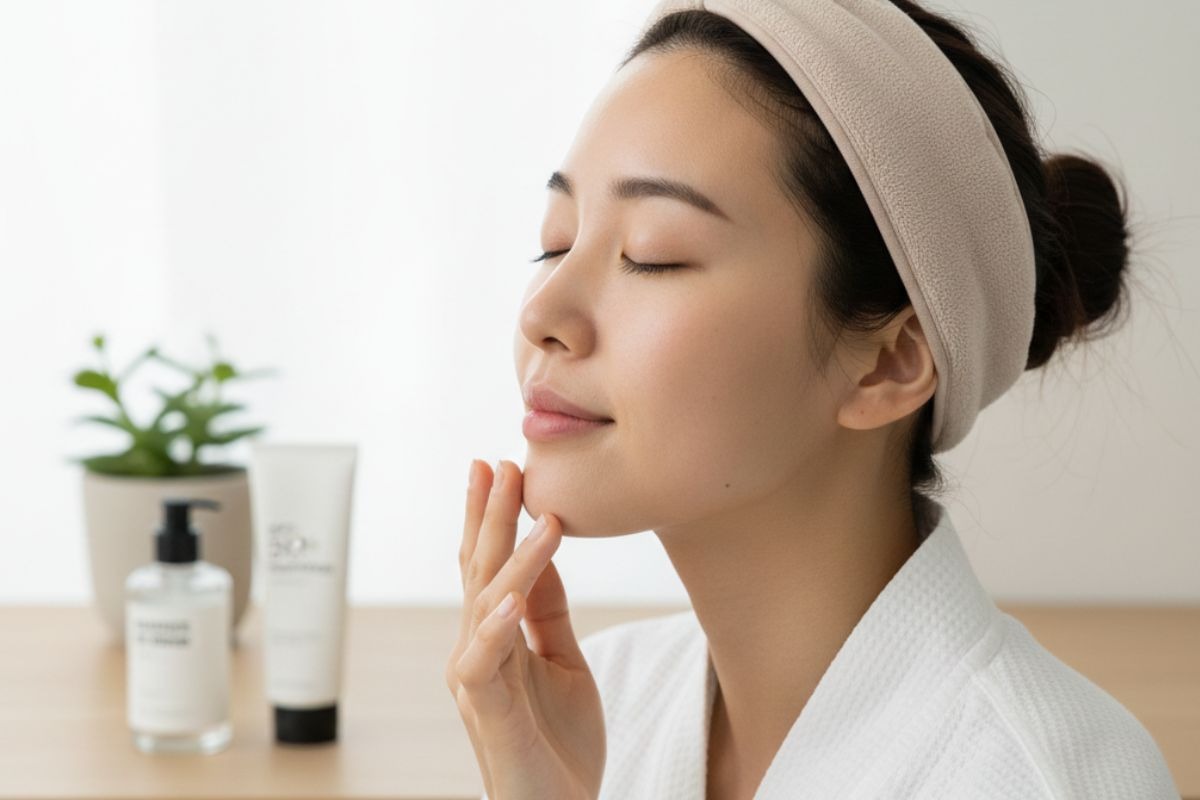
Aftercare helps treatments settle properly and supports a smoother recovery. While instructions vary depending on the procedure, general v shape face aftercare advice usually includes:
- Keeping physical activity light for a short period
- Avoiding strong heat, such as saunas or hot baths
- Protecting the treated area from direct sun exposure
- Returning for follow-up reviews if advised
Always follow the guidance given by your practitioner, as aftercare needs can differ from person to person.
Face Shape Assessment and Consultation Checklist
A proper face shape assessment looks beyond the jawline alone. During a consultation, practitioners usually consider:
- Facial proportions and overall balance
- Jaw muscle movement and activity
- Skin quality and firmness
- Lifestyle habits that may affect results
To make the most of a consultation checklist, patients are often advised to prepare:
- Reference photos that reflect their goals
- A clear list of concerns and priorities
- Expected downtime and recovery limits
- Budget range and treatment preferences
This helps keep expectations realistic and planning clear.
V Shape Face Treatments at NUU Clinic in Singapore
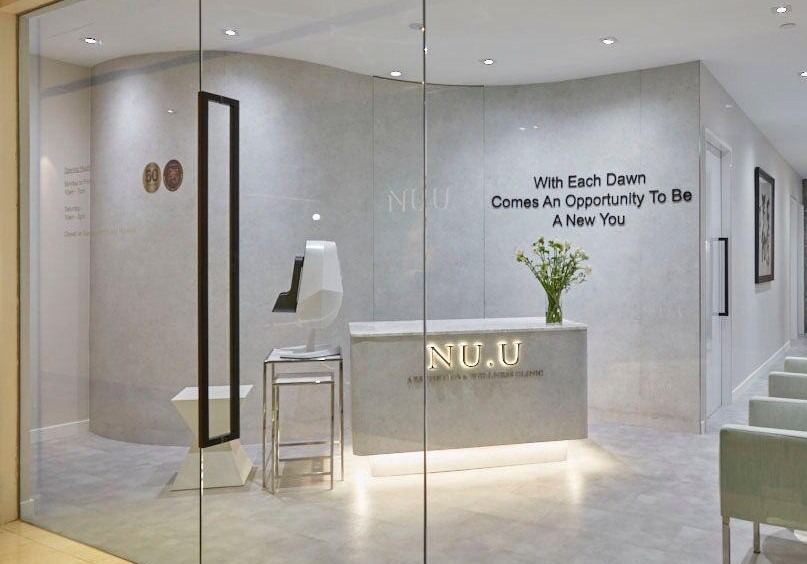
At NU.U Aesthetics & Wellness Clinic, v shape face treatments are guided by medical assessment and long-term clinical experience. The clinic is led by Dr K K Chew, Medical Director and Founder, who has been practising aesthetic medicine since 2004. His background includes an MBBS, a Graduate Diploma in Dermatology from Wales, and a Graduate Diploma in Occupational Medicine from NUS, giving him a strong foundation in both medical care and aesthetic practice.
Care at NU.U is shaped by Dr Chew’s belief in building trust through consistency, clear communication, and thoughtful treatment planning. Assessments typically look at facial structure, muscle activity, skin condition, and lifestyle factors, with treatment choices guided by what is appropriate for each individual rather than a fixed approach. This emphasis on personalised care helps align expectations and supports decisions that feel considered and well-informed.
Frequently Asked Questions About V Shape Face Treatments
What is the best treatment for a V-shaped face?
There is no single best treatment for everyone. The most suitable option depends on what is shaping the lower face, such as muscle activity, skin laxity, facial proportions, or tissue position. This is why treatment choices are usually guided by facial assessment rather than a fixed formula.
How long does V shape face treatments last?
Duration varies by treatment type. Muscle-targeting treatments are temporary and typically require maintenance, while collagen-based treatments develop gradually and may last longer. Individual response, aftercare, and follow-up schedules all influence how long results are maintained.
How can you enhance a V-shaped face naturally and professionally?
Natural approaches focus on overall skin health, posture, and lifestyle habits that support facial structure over time. Professionally, non-surgical treatments may help refine contours or improve balance when chosen based on facial anatomy and realistic goals.
Who is not a good candidate for V shape face treatments or Botox-based approaches?
Individuals with unrealistic expectations or facial width that is mainly determined by bone structure may see limited benefit from non-surgical options. Certain medical conditions or medications may also affect suitability, which is why proper evaluation is important.
Is V-line surgery worth it compared to non-surgical options?
Surgical and non-surgical approaches address different concerns. Non-surgical V shape face treatments focus on contouring, balance, and skin support, while surgery alters bone structure. The choice depends on anatomy, goals, recovery considerations, and personal preference, and should be discussed with a qualified medical professional.


 +65 6732 9989
 +65 9152 3582