

Digital Peel Laser Singapore is a fractional laser treatment used to support improvements in skin texture and overall skin condition. Sometimes referred to by its device name, MultiFrax, it delivers controlled laser energy into the skin to encourage natural skin renewal, rather than aiming for immediate or dramatic surface changes.
The effects of Digital Peel Laser develop gradually as the skin responds over time. Because every skin type and concern is different, treatment plans are typically individualised, with settings and session numbers adjusted based on clinical assessment and skin response.
In Singapore, this treatment is offered in selected aesthetic clinics, including NU.U Aesthetics & Wellness. A proper consultation helps determine whether Digital Peel Laser is suitable and allows realistic expectations to be discussed before treatment begins.
Table of Contents
What Is Digital Peel Laser and How Does It Work?

Digital Peel Laser is a fractional laser treatment used to support skin renewal through controlled energy delivery. Instead of treating the entire skin surface, the laser works in a fractional pattern, creating small, targeted areas of stimulation while leaving surrounding skin intact. This approach allows the skin to recover more efficiently compared to fully ablative resurfacing methods.
The treatment is based on fractional photothermolysis, a process in which the laser creates microscopic, controlled thermal micro-injuries within the skin, affecting both the epidermis and dermis depending on the wavelength and treatment settings.
These micro-injuries trigger the skin’s natural repair response, which may lead to gradual improvements in skin texture and tone over time. The extent of response depends on individual skin characteristics and treatment settings.
Dual Wavelength Technology: 1550 nm and 1927 nm
MultiFrax Laser Singapore, uses two laser wavelengths to target different skin depths during treatment.
1550 nm wavelength
- Penetrates deeper into the skin
- Targets the dermis, where collagen support structures are located
- Commonly used for concerns related to skin texture and acne scarring
1927 nm wavelength
- Focuses on more superficial skin layers
- Targets the epidermis, the outermost layer of the skin
- Often used for uneven skin tone and surface texture concerns
By combining both wavelengths, Digital Peel Laser allows clinicians to address surface and deeper skin layers within a single treatment approach. Parameters are adjusted based on clinical assessment and individual skin needs.
What Skin Concerns Can Digital Peel Laser Help With?
Digital Peel Laser Singapore may be considered for a range of skin concerns, depending on individual skin condition and clinical assessment. As responses to fractional laser treatment vary, suitability and treatment planning are determined on a case-by-case basis.
Digital Peel Laser Singapore for Pigmentation and Melasma
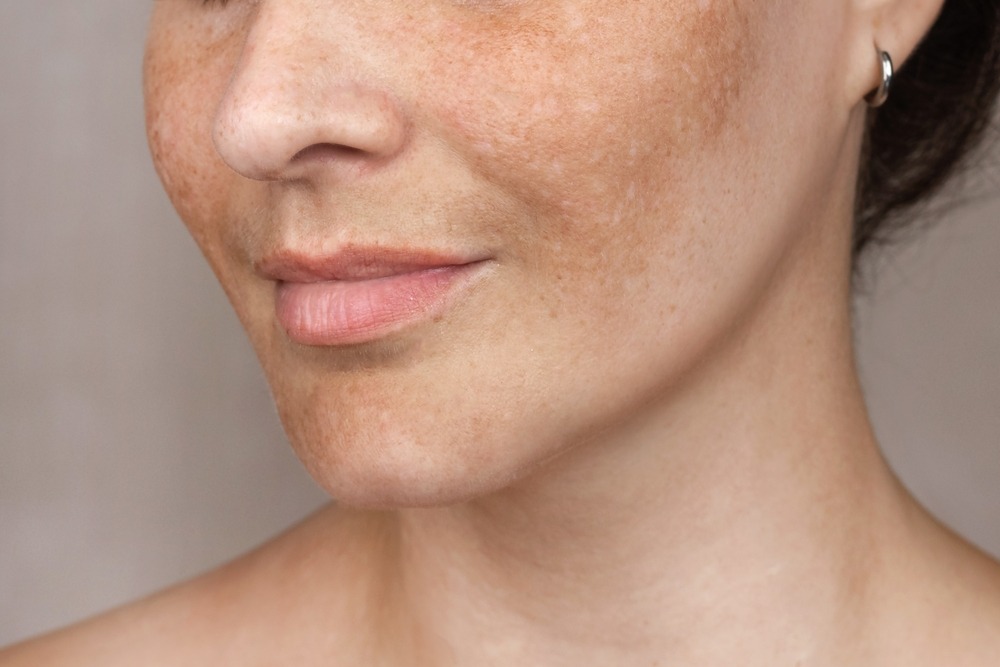
Digital Peel Laser may be used to address pigmentation concerns such as uneven skin tone and sun-related discolouration. In selected cases, it may also be considered for melasma, a condition that requires careful evaluation due to its variable behaviour and potential for recurrence. Treatment parameters are adjusted cautiously to minimise irritation and reduce the risk of post-treatment pigmentation changes.
Digital Peel Laser Singapore for Acne Scars, Texture, and Pores
Digital Peel Laser is commonly discussed as an option for individuals with acne-related scarring and uneven skin texture. By delivering controlled stimulation to deeper skin layers, the treatment supports gradual surface remodelling over time.
This approach may be considered for:
- Atrophic acne scars
- Uneven or rough skin texture
- Visible or enlarged pores
Outcomes depend on scar type, skin response, and the overall treatment plan.
Fine Lines and Overall Skin Renewal
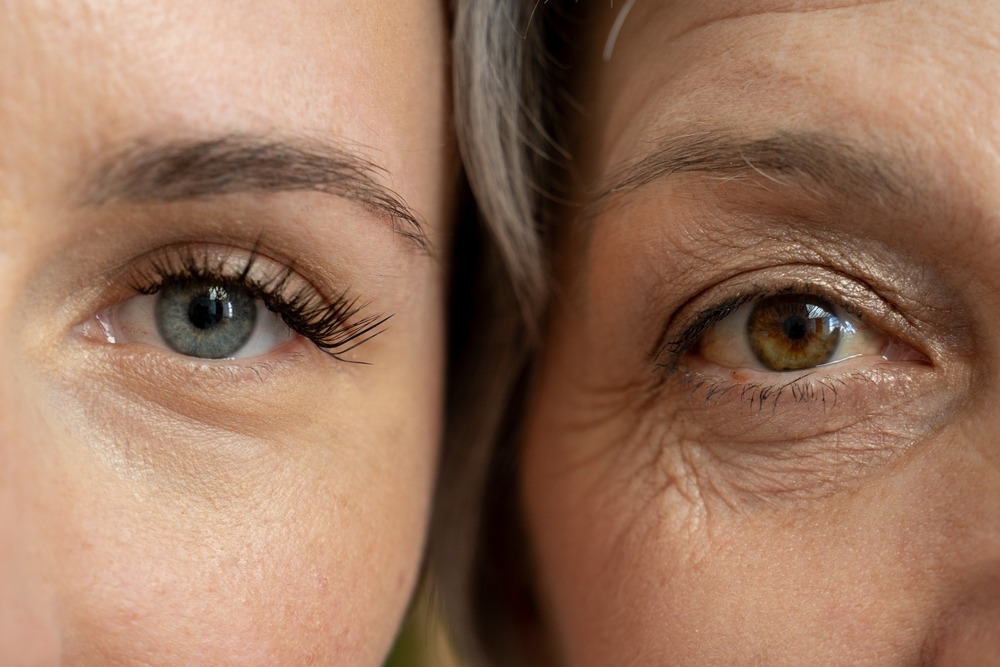
As part of laser skin rejuvenation Singapore, Digital Peel Laser may be used to support early signs of skin ageing, including fine lines and surface irregularities. It is typically discussed for skin quality concerns rather than deep wrinkles or advanced laxity.
By encouraging natural skin renewal processes, the treatment may contribute to improvements in:
- Early fine lines
- Skin smoothness
- Overall tone consistency
Periorbital Skin Texture and Mild Laxity
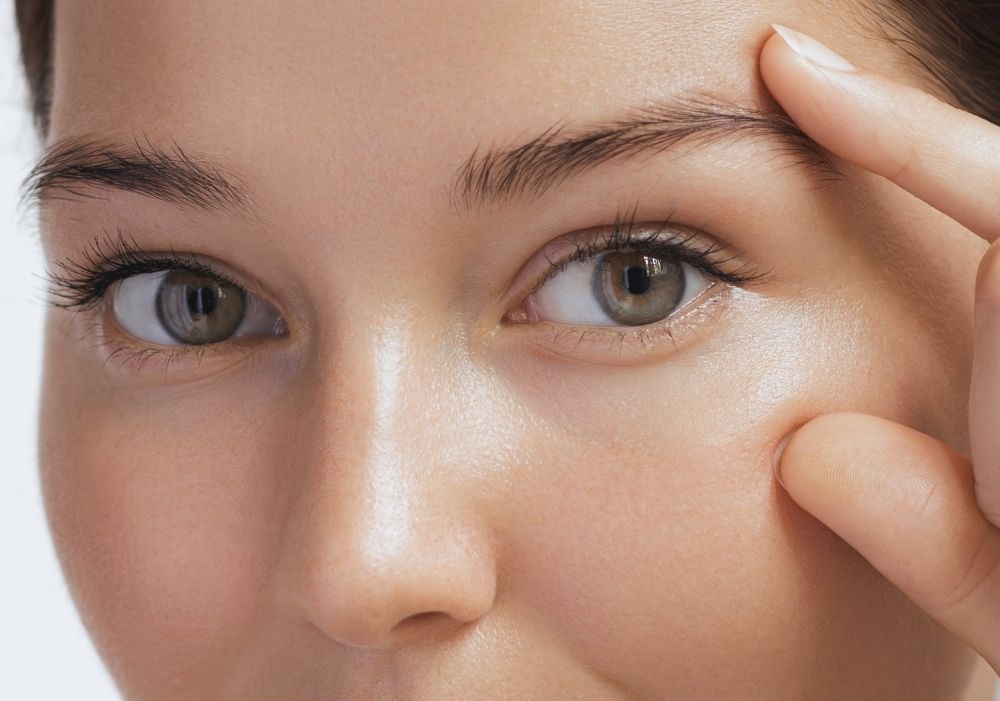
In selected cases, Digital Peel Laser may be considered for delicate areas such as the periorbital region, where fine lines and texture changes are common. Treatment in these areas is approached conservatively, with settings adjusted to account for thinner skin and sensitivity.
Mild skin laxity may also be assessed during consultation, with suitability determined based on anatomical area and individual skin response.
What to Expect During a Digital Peel Laser Singapore Session
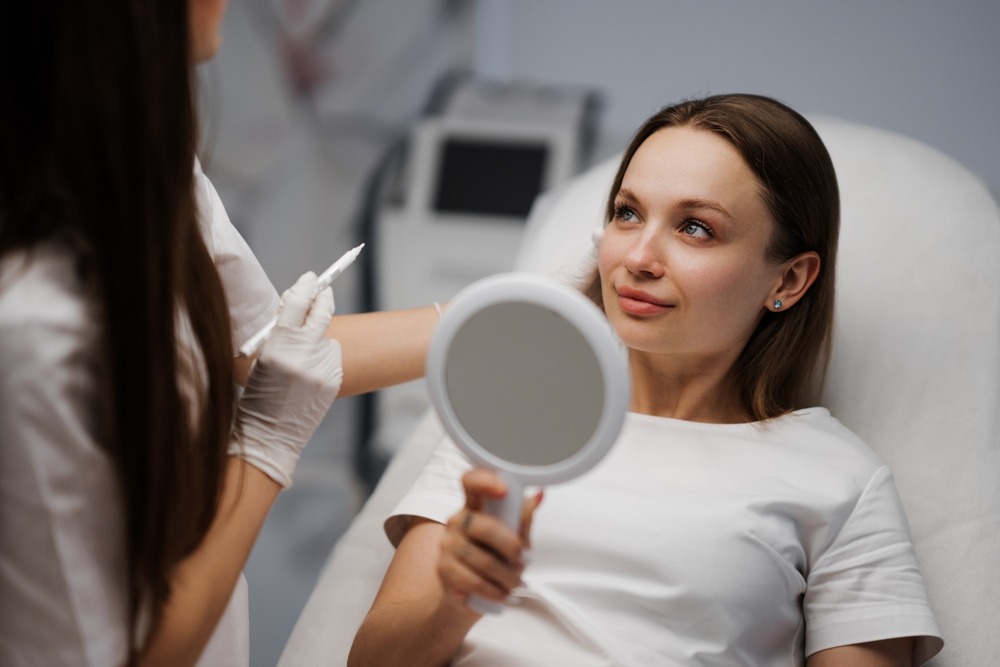
A Digital Peel Laser session usually begins with a consultation and skin assessment. During this step, the doctor reviews your skin concerns, medical history, and current skincare routine to determine whether the treatment is suitable and how it should be planned.
There is also a discussion about treatment goals and limitations. This includes what Digital Peel Laser may help with, as well as what it is not intended to address. Setting these expectations early is important, as results vary depending on skin type, concern, and individual response to fractional laser treatment.
The treatment itself is non-invasive and follows a structured process. After the skin is prepared, the laser is applied to the targeted areas using settings selected during the assessment. Some people notice sensations such as warmth or mild tingling during the procedure, although comfort levels differ. Treatment protocols, duration, and settings can vary between clinics, including NU.U Aesthetics & Wellness, depending on clinical approach and individual needs.
Digital Peel Laser Singapore Downtime and Recovery
Digital peel laser downtime is generally considered short, although recovery experiences vary. Immediately after treatment, common skin responses may include:
- Redness
- Mild swelling
- Temporary roughness or dryness
These effects are typically temporary and tend to settle within a timeframe ranging from a few hours to a few days. The exact duration varies and should not be viewed as a fixed outcome.
Downtime depends on several factors, including treatment settings, skin sensitivity, and post-treatment care. Adhering to aftercare advice plays an important role in supporting recovery and skin comfort following the session.
Aftercare and Skin Support Following Digital Peel Laser

Post-treatment care is an important part of recovery after Digital Peel Laser. Proper aftercare supports the skin’s natural repair process and helps reduce the likelihood of irritation as the skin settles.
Key aftercare considerations typically include:
- Sun protection, as treated skin may be more sensitive to UV exposure
- Gentle skincare using mild cleansers and moisturisers
- Temporary avoidance of strong active ingredients such as exfoliating acids or retinoids
In some clinics, supportive skin renewal approaches may be included as part of the overall protocol. For example, an NCTF needleless skin booster may be used in selected programmes, such as NU.U Aesthetics & Wellness’ Glow & Lift approach, based on individual assessment rather than as a guaranteed component of treatment.
How Results Build Over Time After Digital Peel Laser

Digital Peel or MultiFrax Laser Singapore works by encouraging gradual skin renewal rather than immediate visible change. As a result, improvements tend to develop progressively and vary between individuals.
People may notice:
- Early changes such as smoother texture or improved clarity
- Progressive refinement as the skin continues to respond after each session
Longer-term changes are associated with ongoing support of collagen and elastin within the skin. For this reason, multiple treatment sessions are often discussed as part of a broader treatment plan.
It is important to recognise that outcomes are not uniform. Results depend on factors such as:
- Skin condition and sensitivity
- Treatment settings and number of sessions
- Aftercare and lifestyle factors
These points are usually discussed during consultation to help set realistic expectations throughout the treatment process.
Digital Peel Laser vs Pico Laser
Digital Peel Laser and Pico Laser are both used in aesthetic practice, but they differ in how they work and the concerns they are commonly selected for. Digital Peel Laser is a fractional laser treatment Singapore that supports gradual skin renewal, while Pico Laser uses ultra-short energy pulses that are often applied for more targeted pigment-related concerns.
Neither option is considered better overall. The choice between digital peel vs pico laser depends on factors such as skin type, depth of concern, treatment goals, and tolerance for downtime. Clinical assessment helps determine which approach is more appropriate for each individual.
How to Choose a Suitable Aesthetic Clinic Singapore

Choosing an aesthetic clinic in Singapore is not just about the treatment offered, but how the clinic approaches care. A suitable clinic should place importance on medical oversight and careful assessment before any procedure is planned.
When deciding on a clinic, consider the following:
- Doctor-led consultation: A licensed doctor should assess your skin, medical history, and concerns before recommending treatment.
- Personalised treatment planning: The clinic should tailor the approach to your skin needs, rather than using a fixed or standard protocol.
- Clear and honest explanations: You should be informed about what the treatment may help with, its limitations, and possible downtime.
- Proper aftercare advice: Guidance on post-treatment care and follow-up should be provided.
Clinics such as NU.U Aesthetics & Wellness Clinic follow an assessment-based approach, where treatment decisions are made based on suitability and realistic expectations rather than guaranteed outcomes.
Frequently Asked Questions About Digital Peel Laser Singapore
What is Digital Peel Laser and how does it work?
Digital Peel Laser Singapore is a fractional laser treatment that delivers controlled energy into the skin in a patterned way. This creates microscopic areas of stimulation that trigger the skin’s natural repair process, allowing gradual improvements in texture and tone over time. It is sometimes referred to by its device name, MultiFrax laser Singapore.
What skin concerns can Digital Peel Laser help with?
Digital Peel or MultiFrax laser Singapore may be considered for concerns such as uneven skin tone, pigmentation (including selected cases of melasma), acne scars, enlarged pores, fine lines, and overall skin texture. Suitability depends on skin type, depth of concern, and clinical assessment.
Digital Peel Laser vs Pico Laser: what’s the difference?
The difference between digital peel vs pico laser lies mainly in how they work. Digital Peel Laser is a fractional laser focused on gradual skin renewal, while Pico Laser uses ultra-short pulses often chosen for targeted pigment-related concerns. Neither is universally better, and the choice depends on skin needs and assessment.
What is normal downtime after Digital Peel Laser?
Digital peel laser downtime is usually short. Temporary responses such as redness, mild swelling, or skin roughness commonly settle within hours to a few days, depending on treatment settings, skin sensitivity, and aftercare.
When do results usually start to show, and how many sessions are needed?
Early skin changes may be noticed after the first session, but results typically build gradually over time. Multiple sessions are often discussed to support ongoing skin renewal, with the number and spacing of treatments determined by individual skin response and treatment goals.
Final Thoughts on Digital Peel Laser Singapore
Digital Peel Laser is a fractional laser treatment designed to support skin renewal in a controlled and measured way. Rather than relying on instant surface changes, it works with the skin’s natural repair processes, allowing improvements in texture, tone, and overall skin quality to develop gradually over time.
Because skin response varies, medical assessment and personalised planning remain essential. Factors such as skin type, specific concerns, treatment settings, and aftercare all influence how results progress, which is why expectations are typically discussed before treatment begins.
For individuals considering Digital Peel Laser Singapore, an informed conversation with a qualified doctor is a practical first step. Clinics such as NU.U Clinic take an assessment-based approach, helping individuals understand suitability and realistic outcomes, so decisions are guided by clarity, not assumptions.


 +65 6732 9989
 +65 9152 3582