

A strong, healthy core is vital for our health and posture. When our core is strong and working properly, we will have less back pain, better posture, and will move with more ease and endurance.
Table of Contents
What you need to know about having a strong core.

- A strong core literally help you stay upright. It helps you maintain a more upright and erect posture.
- Core strength is crucial in every movement you do. In fact it makes it easier for us to do most physical activities.
- You need to build enough core strength before you can build strength anywhere else.
- As you increase your core strength you improve your balance and build overall stability which makes you less likely to injure yourself.
- Weak core muscles can leave you susceptible to poor posture, lower back pain and muscle injuries.
Here are five signs to know if you have a weak core
So how do you know if your core strength is where it needs to be?
- Your posture is not upright and below par.
- Your lower back arches when you walk or you have a pelvic tilt.
- You have frequent back pain.
- You feel weak when throwing or jumping.
- You use objects or people around you as a “crutch” to help support and aid your movements.
What muscles make up your core?
Your core is more than your six-pack. It includes the rectus abdominis at the front, the obliques at the sides, the deep transverse abdominis that wraps around your midsection like a corset, the multifidus and erector spinae along your spine, the diaphragm above and the pelvic floor below. These muscles work together to stabilise your spine and pelvis every time you stand, sit, lift or turn.
When one part of this system is underused, other muscles step in to do the job. Over time, that compensation can show up as stiffness, aches or changes in the way you move. This is why a weak core often goes unnoticed until it starts to affect your back, hips or posture.
Why does a weak core develop?
A weak core usually develops gradually rather than overnight. Common contributing factors include:
- Long hours of sitting at a desk or in the car with little movement
- Workouts that focus on cardio or isolated muscles but skip core stability
- Pregnancy and childbirth, which can stretch the abdominal wall and pelvic floor
- Weight changes, which can affect posture and how the abdominal muscles engage
- Recovery from back pain or injury, when people naturally move less
- Ageing, as muscle mass tends to decline without regular resistance training
How a weak core affects daily life
The effects of a weak core are not limited to the gym. Simple tasks such as carrying groceries, bending to pick up a child or standing for long periods can feel more tiring than they should. Some people notice their lower back aches by the end of the day, while others find their balance is less reliable on stairs or uneven ground.
Because the core links your upper and lower body, weakness here can also reduce power in sports such as tennis, golf or running. Your arms and legs end up working harder to make up for the lack of a stable base, which may increase the risk of strain.
Simple ways to build a strong core at home

Building a strong core does not require special equipment. Exercises that train the muscles to hold your spine steady, rather than endless crunches, tend to be the most useful. Start slowly and focus on good form:
- Dead bugs: lie on your back and slowly lower your opposite arm and leg while keeping your lower back on the floor
- Planks: hold a straight line from head to heels for 20 to 30 seconds, building up over time
- Bird dogs: on hands and knees, extend your opposite arm and leg while keeping your hips level
- Glute bridges: lift your hips while squeezing your glutes to support the lower back
- Side planks: strengthen the obliques that help control twisting and side bending
Two to three short sessions a week can make a noticeable difference to how you feel. If you have back pain, a recent injury or have just had a baby, check with your doctor or a physiotherapist before starting a new routine.
When to consider professional help for a weak core
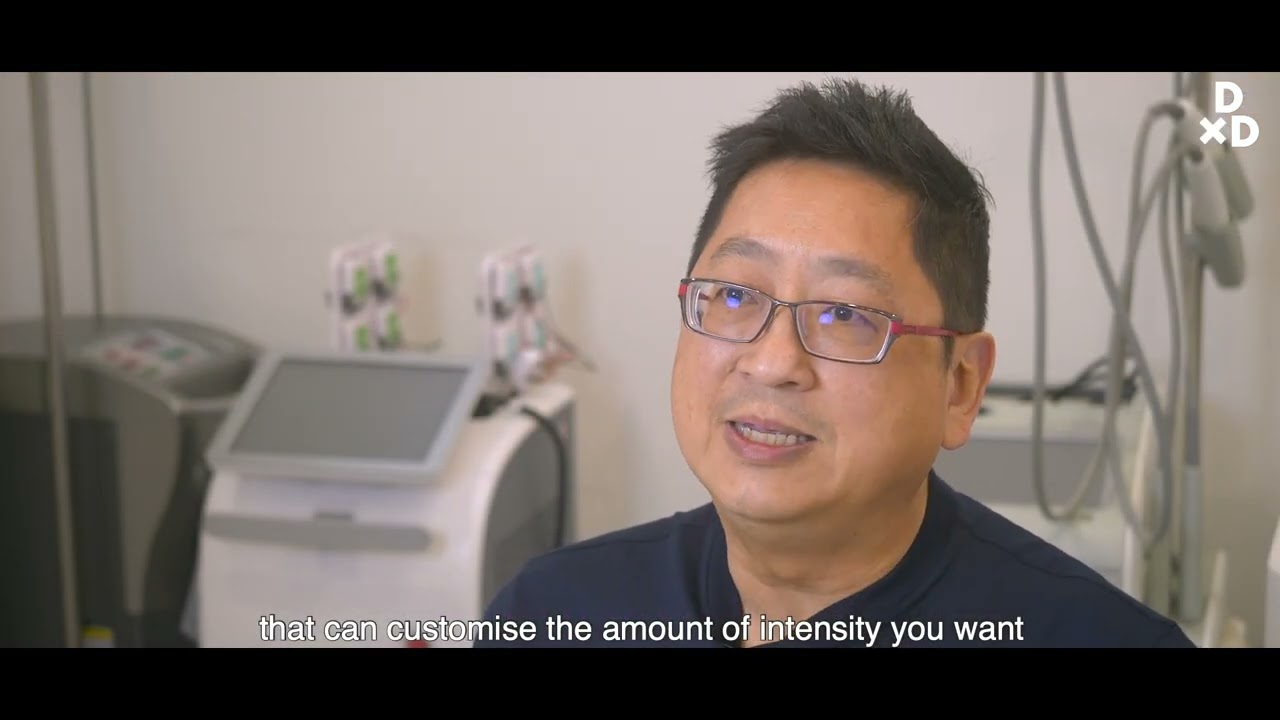
Exercise remains the foundation of a strong core, but some people find it hard to activate the right muscles, especially after pregnancy or long periods of inactivity. Non-invasive muscle toning technologies, such as Trusculpt Flex, use electrical muscle stimulation to make the abdominal muscles contract repeatedly during a session. These treatments are designed to complement regular exercise, not replace it.
A doctor can assess your concerns, explain whether muscle toning treatment is suitable for you and talk you through what to expect. Results vary from person to person and depend on factors such as your starting fitness, lifestyle and the number of sessions.
In this video, Dr Chew explains the use of Trusculpt Flex to help tone abdomen muscles.
Frequently asked questions about a weak core
Can a weak core cause lower back pain?
It can contribute. When the deep core muscles are not supporting the spine well, the lower back muscles often work harder, which may lead to tightness and discomfort. Back pain has many possible causes, so persistent or severe pain should always be checked by a doctor.
How long does it take to strengthen a weak core?
Many people feel steadier within four to six weeks of consistent training, although visible changes in muscle tone usually take longer. Progress depends on your starting point, how often you train and how well you rest between sessions.
If you have concerns regarding your core contact the clinic at 6732 9989 to find out how Trusculpt Flex Functional Muscle Toning can help you.


 +65 6732 9989
 +65 9152 3582