

Double chin removal in Singapore starts with understanding what is causing the fullness beneath your chin. It may involve fat, loose skin, a recessed chin or a combination of these factors.
That distinction matters when choosing a double chin treatment. Fat reduction targets localised fat, skin-tightening treatments address laxity, and chin filler may improve proportions when limited chin projection contributes to the appearance.
At NU.U Aesthetics & Wellness, a doctor-led assessment helps identify the cause and explain which options may suit your features and goals.
Table of Contents
What Causes A Double Chin?
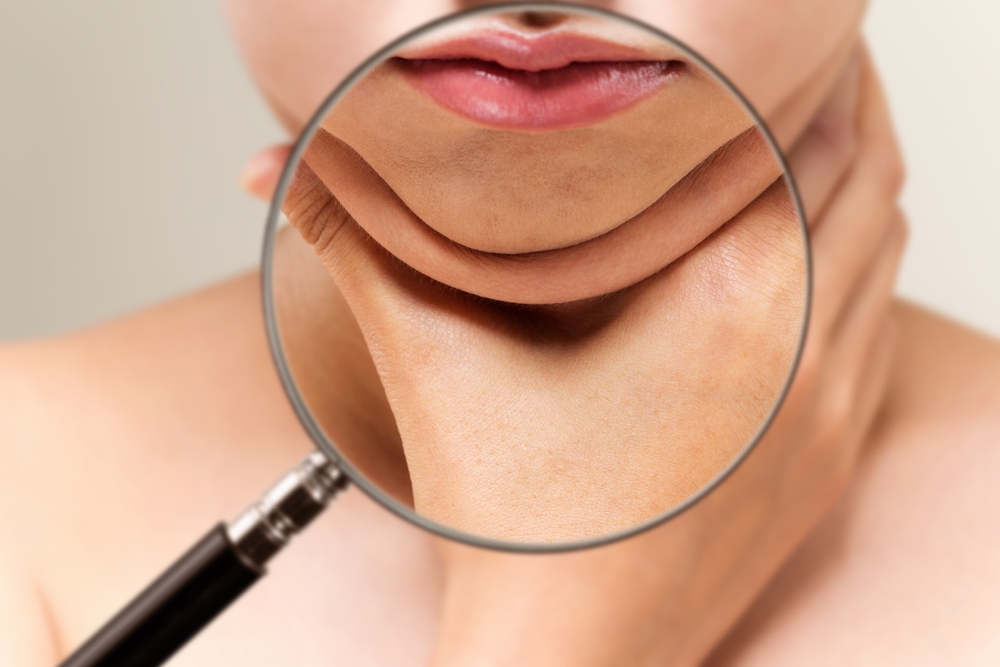
A double chin usually involves fat under the chin, loose skin or chin shape. More than one factor can contribute, which helps explain why the same treatment does not suit everyone.
Fat Under the Chin
Submental fat is the fat beneath your chin. Weight gain can increase fullness in this area, but genetics also influence where your body stores fat. Some people have noticeable under-chin fat even at a stable, healthy weight.
Weight changes may affect this fullness, although localised fat can remain.
Loose Skin
Skin laxity means the skin has become less firm. Ageing, sun exposure and changes in weight can contribute to looser skin beneath the chin and around the neck.
If loose skin is the main concern, reducing fat alone may not produce the change you want. Your doctor will assess how much of the fullness comes from fat and how much comes from skin laxity.
Chin Shape and Projection
A short or recessed chin can make the area beneath it look fuller, even without much excess fat. Chin projection describes how far the chin extends forwards in relation to the rest of the face.
In these cases, treatment may focus on facial proportions rather than fat reduction.
Genetics can influence all three factors. Head position can also change how the area looks, but posture alone cannot establish what is causing a double chin.
Is Your Double Chin Fat or Loose Skin?
A few observations may help you describe your concern during consultation:
- Gently feel the area. A soft, thicker fold may include fat. Thin, loose or crepey skin may suggest laxity, although both can occur together.
- Think about weight changes. Has the fullness changed as your weight changed, or remained much the same?
- Look at your profile with your head level. Notice how far your chin projects forwards and how the skin sits beneath it.
These observations cannot diagnose the cause. A doctor can assess the skin, underlying tissue and facial structure before recommending treatment.
Non-Surgical Double Chin Removal: Which Approach May Suit the Cause?
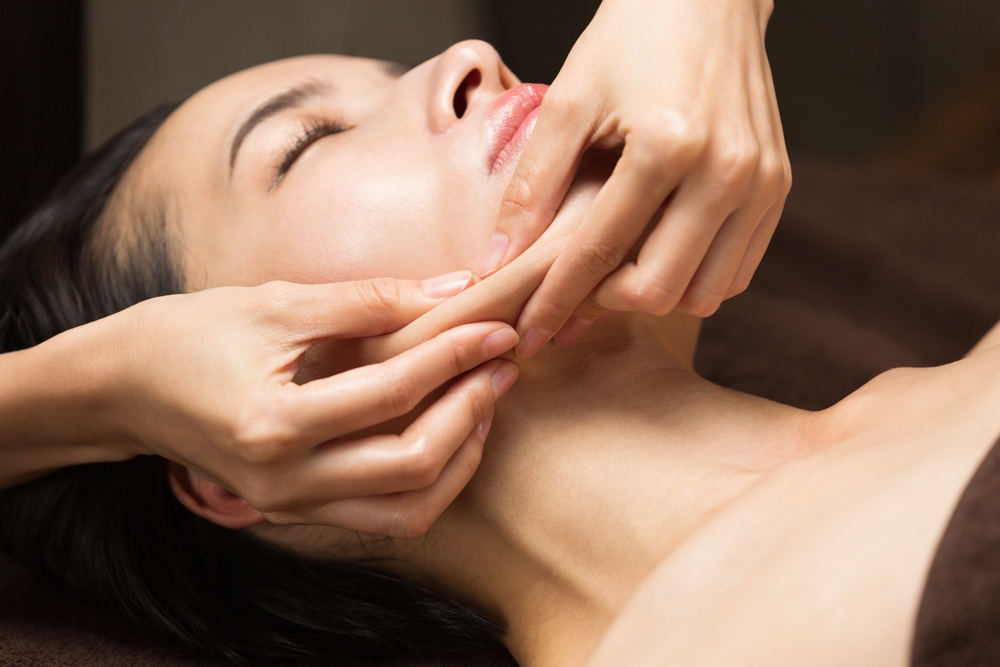
Non-surgical treatment can reduce the appearance of a double chin in selected cases. The approach depends on the amount of fat, degree of skin laxity and shape of the chin.
The table below outlines the approaches a doctor may discuss based on what is contributing to the fullness beneath your chin.
| Main concern | Treatment approach a doctor may discuss | Intended change | Limitation |
| Localised fat beneath the chin | Suitable fat-reduction procedures | Reduce a localised fat bulge | Does not correct a recessed chin or substantial loose skin |
| Mild to moderate skin laxity | Ultrasound or radiofrequency skin tightening | Support firmer-looking skin | Does not reproduce a surgical lift |
| Reduced muscle tone with skin laxity | Radiofrequency combined with muscle stimulation | Support skin firmness and muscle tone | Does not replace treatment for excess fat |
| Limited chin projection | Chin filler in suitable cases | Improve chin projection and lower-face proportions | Does not remove fat or excess skin |
| A combination of concerns | A personalised combination plan | Address different contributing factors | Requires assessment of treatment suitability and timing |
TruSculpt iD
TruSculpt iD uses non-invasive radiofrequency (RF) energy to target localised fat. It may be discussed as part of a double chin reduction plan when fat contributes to fullness beneath the chin, provided the device and applicator are suitable for the treatment area.
Changes develop gradually, and results depend on the amount of fat, treatment plan and individual response. Temporary warmth, redness or tenderness may occur. Your doctor will explain the expected recovery and any activity restrictions.
Chin Filler Augmentation
Chin filler augmentation uses hyaluronic acid dermal fillers to support chin projection and improve lower-face proportions. When a short or recessed chin contributes to the appearance of a double chin, adding projection may help create a more balanced profile.
Filler does not remove fat or tighten excess skin. Changes may be noticeable shortly after treatment, although swelling can affect the initial appearance. Treatment duration, longevity and recovery vary according to the product, amount used and individual response.
Ultraformer MPT HIFU
Ultraformer MPT uses focused ultrasound energy at selected tissue depths to support collagen production and improve the appearance of mild to moderate skin laxity. It may help refine the under-chin contour when loose skin contributes to fullness.
Any intended fat-reduction effect depends on the treatment depth, settings and suitability of the area. Changes generally develop over weeks to months. Temporary redness, tenderness, swelling or altered sensation may occur, and your doctor will discuss the possible risks and aftercare.
Ultherapy
Ultherapy uses focused ultrasound energy to support lifting and tightening of skin around the neck and beneath the chin. It may be an option when skin laxity contributes to a softer jawline or under-chin contour.
The treatment aims to stimulate collagen production, with changes developing gradually over the following months. It is a skin-lifting approach rather than a treatment intended to remove localised fat. Results and recovery vary, and temporary redness, swelling or tenderness may occur.
Neck Thread Lift
A neck thread lift uses dissolvable threads placed beneath the skin to provide support and reposition selected tissues. It may improve the appearance of mild to moderate sagging around the neck in suitable individuals.
An initial lifting effect may be visible, while the tissue response around the threads may support collagen formation over time. The procedure does not remove excess fat or reproduce the results of neck-lift surgery. Recovery varies, and possible complications include bruising, swelling, dimpling, infection or thread-related concerns.
Fat-Freeze (Cryolipolysis)
Cryolipolysis, also known as fat freezing, uses controlled cooling to target localised fat. Under-chin treatment requires a suitable applicator and enough accessible fat in the area. It is intended for contouring rather than weight loss and does not correct a recessed chin or substantial loose skin.
Changes develop gradually as the body processes the treated fat cells. Possible side effects include redness, swelling, bruising and numbness. Less common complications include cold injury and paradoxical adipose hyperplasia, where the treated fat bulge increases rather than decreases. Certain cold-sensitivity conditions can make treatment unsuitable.
WonderFace
WonderFace combines Synchronised Radiofrequency with Neuromuscular emissions to support skin firmness and facial muscle tone. Radiofrequency delivers controlled heat to support collagen and elastin activity, while neuromuscular emissions stimulate muscle contractions.
It may help improve the appearance of the lower face and under-chin area when mild skin laxity or reduced muscle tone contributes to a softer contour. It does not replace treatment for excess fat or limited chin projection. Results vary, and temporary warmth, redness or sensitivity may occur.
Fat Freezing vs HIFU for a Double Chin
Fat freezing targets localised fat, while HIFU skin tightening focuses on laxity. They address different concerns, so the choice begins with an assessment of the tissue beneath your chin.
A person with a pinchable fat bulge may need a different approach from someone with thin, loose skin. When both are present, a doctor may discuss a combination plan. Neither approach changes a recessed chin.
Who May Be Suitable for Double Chin Treatment?
Non-surgical treatment may suit people with localised under-chin fat, mild to moderate laxity or limited chin projection who have realistic expectations about the degree of change.
Suitability depends on the proposed procedure. Tell your doctor about pregnancy or breastfeeding, implanted electronic devices, medical conditions, medicines and previous facial treatments. Active infection or broken skin may require treatment to be postponed.
For significant loose skin or more substantial structural concerns, your doctor may discuss other options or referral.
When Will You See Results?
The timeline depends on the treatment. Chin filler can change projection soon after injection, although swelling needs time to settle. Skin-tightening and fat-reduction procedures generally produce changes over weeks to months.
The number of sessions also varies. Your doctor will explain when to review progress, whether further treatment may be needed and how ageing or weight changes could affect the appearance over time.
Possible Side Effects and Recovery
Recovery varies by procedure. Temporary redness, swelling, tenderness, bruising or altered sensation may occur. Energy-based treatments can also cause burns or nerve injury, while filler carries a risk of blood-vessel blockage and tissue damage.
Ask about the risks of your proposed treatment and the symptoms that require urgent attention. Non-surgical treatment still requires medical assessment and aftercare.
How Much Does Double Chin Removal Cost in Singapore?

The cost depends on what is causing the fullness and the treatment recommended. Factors include the areas treated, number of sessions and whether the plan combines different approaches.
Treating localised fat may involve a different plan from improving skin laxity or chin projection. After assessment, your doctor can explain the proposed treatment, follow-up arrangements and full cost before you decide to proceed.
Frequently Asked Questions About Double Chin Removal
How much does double chin removal cost in Singapore?
The cost depends on the cause of the fullness, number of areas treated, sessions required and whether treatments are combined. Your doctor will assess fat, skin laxity and chin shape before explaining the proposed plan. Ask for the full cost, including any recommended follow-up, during consultation.
Can a double chin be removed without surgery?
Non-surgical treatments may reduce its appearance in selected cases. Fat-reduction procedures target localised fat, skin-tightening treatments address laxity, and chin filler may improve proportions when the chin is recessed. Significant excess skin or larger fat deposits may need a different approach, including a surgical assessment.
Do double chins go away naturally?
Fat-related fullness may decrease with weight loss, but the change varies and localised fat can remain. Loose skin and a recessed chin may still contribute after weight changes. If the fullness persists, an assessment can help identify what is causing it and which options may be relevant.
Why do I have a double chin even though I am skinny?
A double chin can reflect chin shape, loose skin or genetically influenced fat distribution, rather than overall body weight. Head position can also make the area look more folded. The self-check section above offers observations to discuss with your doctor, who can assess the underlying cause.
How can I get rid of a double chin fast?
There is no single quick treatment for every cause. Fat-reduction and skin-tightening procedures generally produce gradual changes over weeks to months. Chin filler may change projection sooner in suitable cases, but it does not remove fat or loose skin. Choose an approach based on assessment rather than speed alone.
Does HIFU work for a double chin?
HIFU may improve the appearance of a double chin when mild to moderate skin laxity contributes to the contour. Any intended fat-reduction effect depends on the device, treatment depth and protocol. It does not change chin projection, and results vary according to the underlying concern and individual response.
Double Chin Assessment at NU.U Aesthetics & Wellness
At NU.U, consultation begins with an assessment of your under-chin fullness, skin firmness and facial proportions. Your medical history, previous treatments and goals help guide the discussion.
Dr K K Chew can explain which concerns treatment may address, its limitations and the possible risks. You can also ask about expected recovery, follow-up and alternatives before choosing how to proceed.
Discuss Your Double Chin Treatment Options
Find out what is contributing to the fullness beneath your chin. Book a doctor-led consultation at NU.U Aesthetics & Wellness to discuss suitable options, realistic expectations and a plan tailored to your concerns.


 +65 6732 9989
 +65 9152 3582