
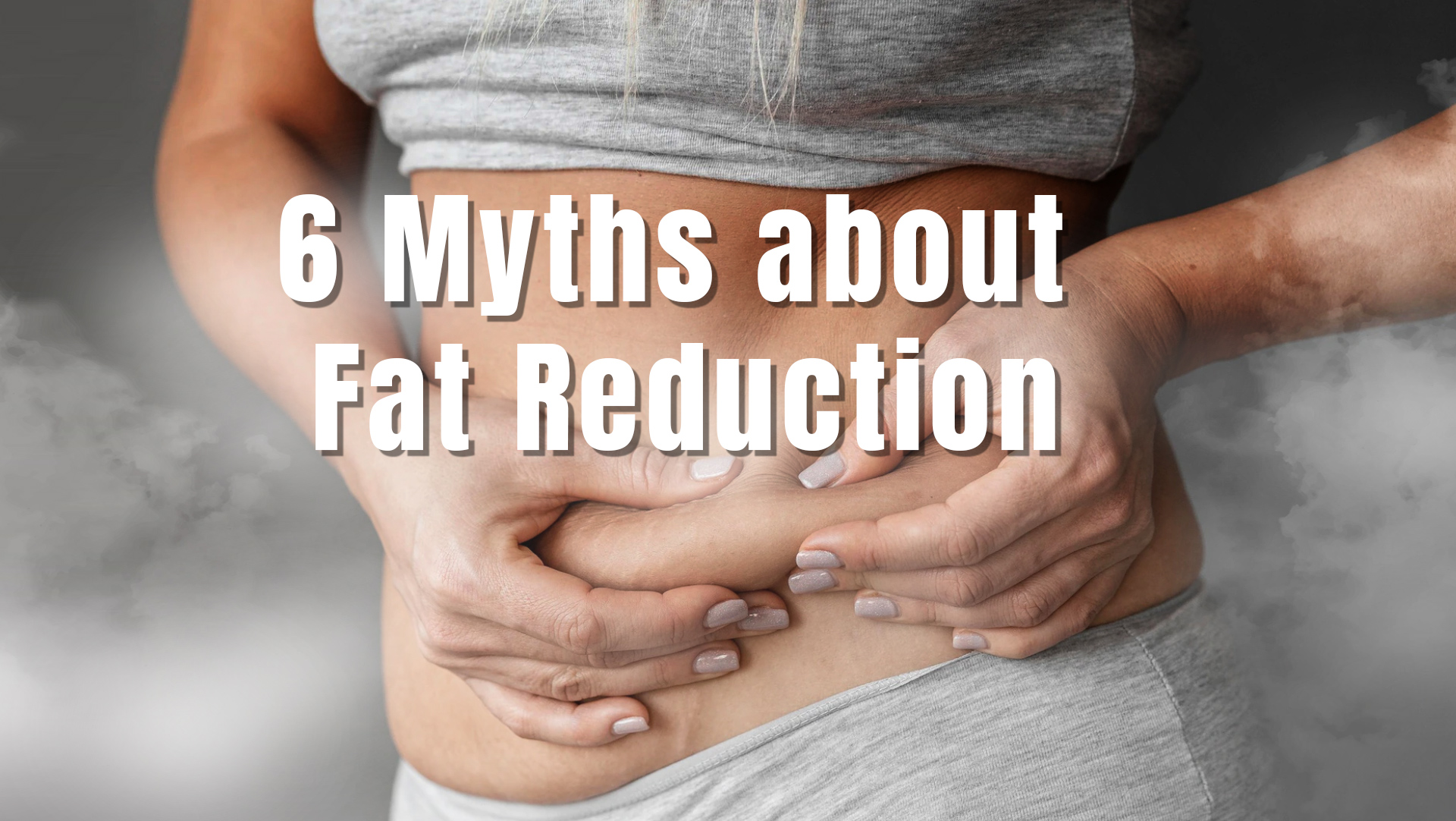
Understanding these myths about fat reduction is important because choosing the wrong approach can lead to disappointing results or unintended changes in body shape. Effective fat reduction planning should always consider overall body structure, skin quality, muscle tone, and long-term lifestyle habits, rather than focusing on fat removal alone. A balanced, doctor-led assessment helps set realistic expectations and safer outcomes.
Common myths about fat reduction are debunked:
- Liposuction is clarified as a body contouring, not weight-loss, procedure.
- Spot treating with diet and exercise doesn’t sculpt the figure effectively. Removed fat may return with weight gain, and liposuction is a major procedure with potential risks.
- Fat reduction treatments may worsen cellulite, and it’s crucial to consider skin laxity and muscle tone for comprehensive results.
Table of Contents
The Top 6 Myths About Fat Removal
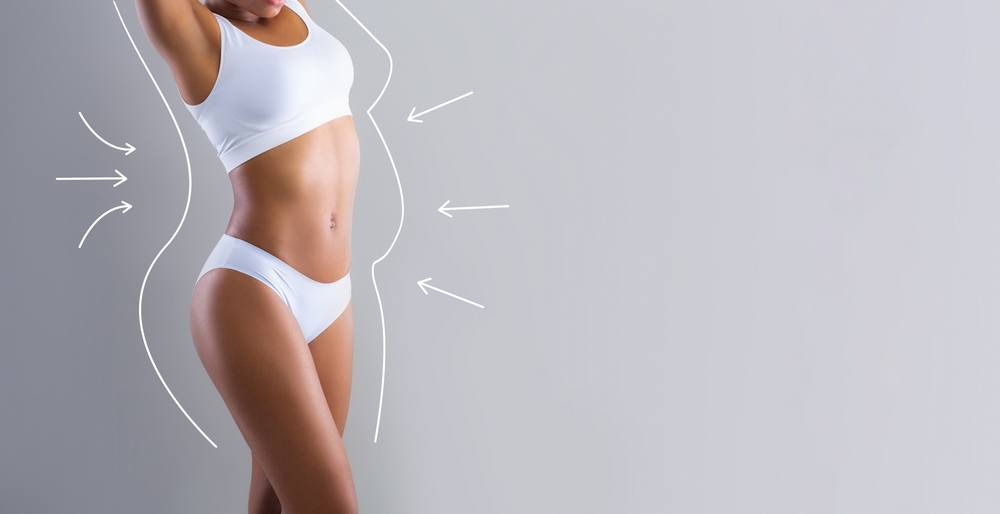
Fat reduction has always been a hot topic. As conversations about it continues to shift and evolve, it remains a constant focus in the aesthetics world. Hence the plethora of fat reduction treatments available, ranging from surgical options such as liposuction to non-invasive alternatives such as Coolsculpting, Sculptsure, Trusculpt ID and more. Despite the topic’s obvious popularity, there are still plenty of common misperceptions.
MYTH #1 – Liposuction help you lose weight
Liposuction is not a weight-loss method. Full stop. It’s a great way to sculpt and contour the body, but not to lose weight.
MYTH #2- You can “spot treat” areas of fat with diet and exercise
Diet plus exercise is the best way to get rid of fat overall, but it’s not going to sculpt your figure. For spot treatment you are probably better off investing in one of the non-invasive fat reduction procedures.
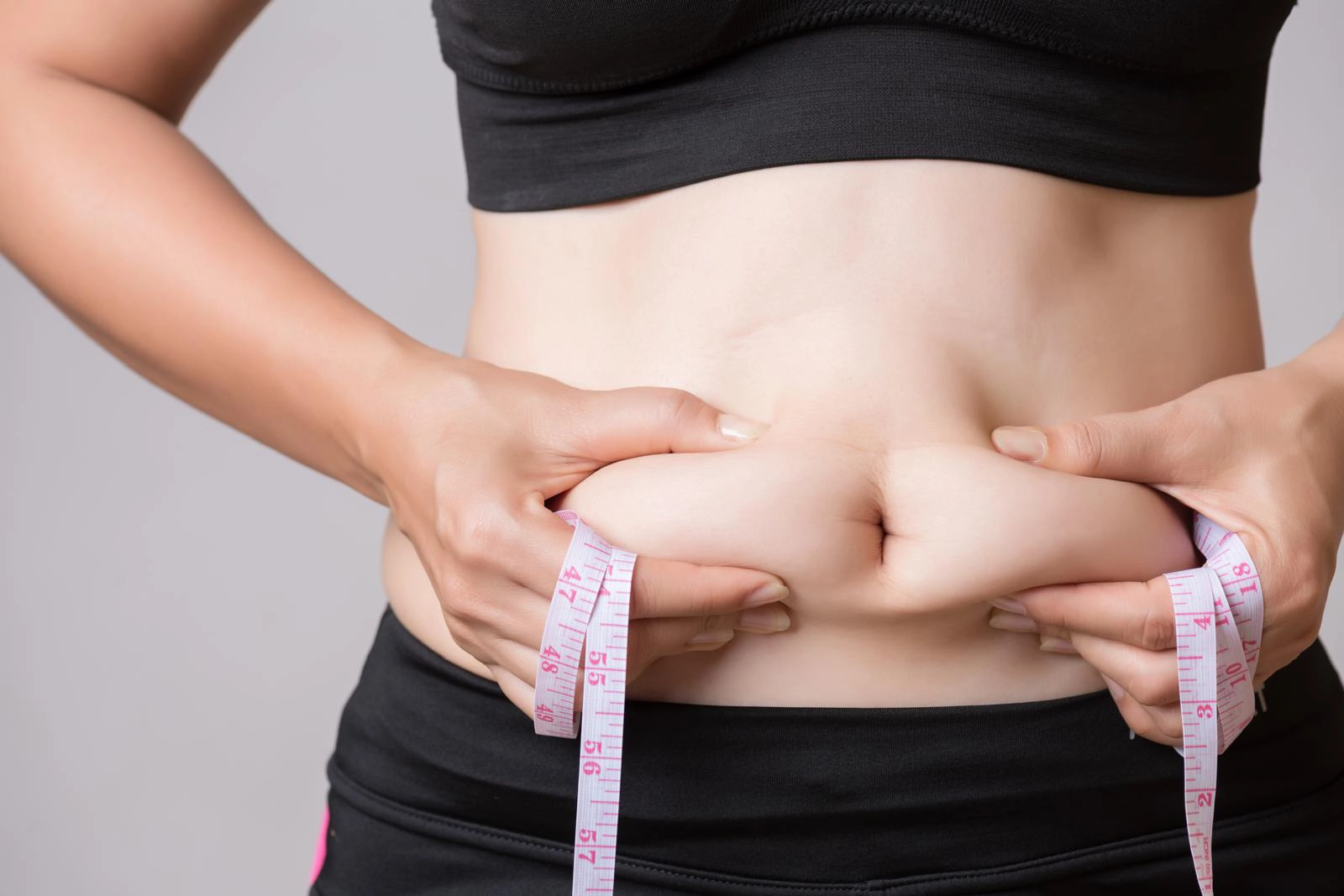
MYTH #3- Fat won’t come back after it’s removed
That’s not the case. If you gain weight, your body will find fat cells in which to put excess fat. You may not gain as much weight in the area that was treated, because there are now fewer fat cells there, but you will put it on elsewhere. Point being, undergoing a fat-reduction procedure won’t render future weight increases obsolete.
MYTH #4 – Liposuction is a minor procedure
It’s an invasive procedure that, if not performed by the right person, in the right way, on the right candidate, can lead to dangerous complications and lifelong problems. In addition it’s also very difficult to correct bad lipo.
MYTH #5 – Fat reduction treatments are a good way to address cellulite
If you already have cellulite and take out fat, you’re only going to end up with more rippling and more of a cobblestone appearance. Picture a grape as opposed to a raisin—removing the volume makes things look worse.
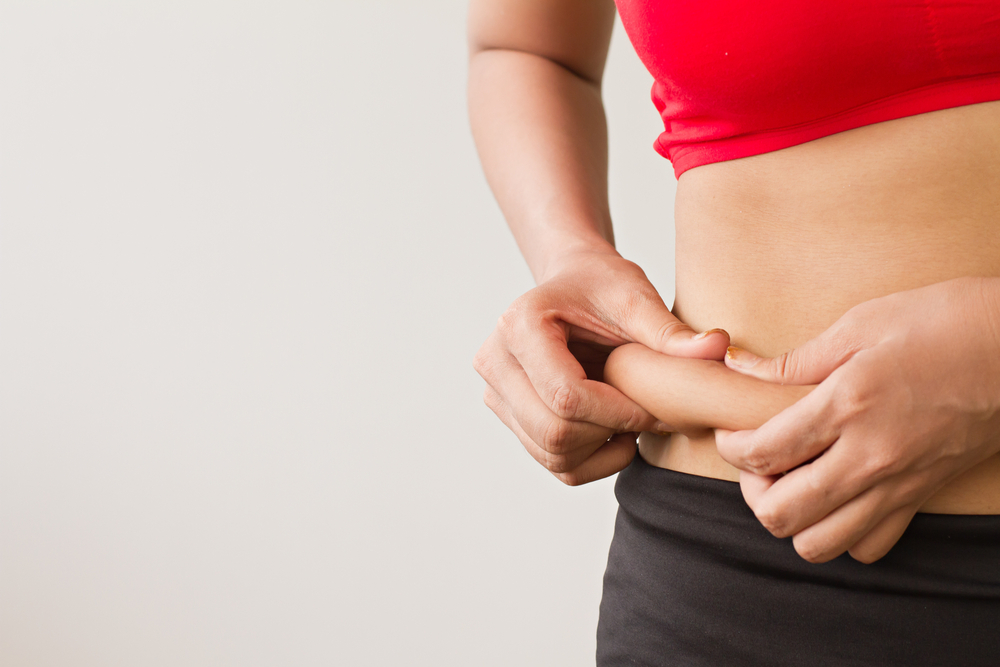
MYTH #6 – Fat is always the culprit
People focus on the fat and think fat is bad, but other factors come into play with the abdominal contour. Consider the muscles, the fat, and the skin over that fat.

While fat is undesirable, it is important to think about the consequences of removing fat if one has diastasis recti, cellulite or saggy skin – we have seen sufficient cases where skin becomes more saggy after fat removal. For this reason, treatments should not only focus on reducing or removing excess fat but consider options to improve skin laxity and abdominal muscle tone.
What can non-surgical fat reduction realistically achieve?
Non-surgical fat reduction is designed for stubborn pockets of fat that do not shift with diet and exercise, such as the lower abdomen, flanks, inner thighs and bra line. It is not a substitute for weight loss, and it tends to work best for people who are already close to their target weight.
Most treatments use controlled cooling, heat, radiofrequency or focused energy to target fat cells beneath the skin. The body then clears the affected cells gradually through its natural processes, which is why changes usually appear over several weeks rather than straight away. Many people need more than one session, and results vary depending on the area treated, skin quality and lifestyle.
Because the skin is not cut, downtime is usually minimal. Some people notice temporary redness, tenderness or numbness in the treated area, which typically settles on its own. Your doctor should explain the possible side effects before you go ahead.
Questions to ask before you book a fat reduction treatment
- Is my concern actually fat, or is it loose skin, muscle laxity or cellulite?
- Which areas can be treated, and how many sessions are usually needed?
- What technology will be used, and is it approved for use in Singapore?
- What downtime and side effects should I expect?
- How can I maintain my results through diet, exercise and sleep?
Asking these questions helps you set realistic expectations and choose a plan that suits your body, goals and timeline. If you are unsure where to start, a consultation with a doctor is the best first step.
How to keep your results after fat reduction
Fat cells that are removed or destroyed do not grow back, but the remaining fat cells can still expand if you gain weight. A balanced diet, regular strength and cardio training, good sleep and steady hydration all help keep the treated area looking its best. Regular reviews with your doctor also make it easier to spot when a maintenance session or a different approach might help.
Your journey to looking and feeling good starts here. Learn more about how this treatment can help you unlock the restoration and rejuvenation you need for your body, face and skin. Contact us to make an appointment.


 +65 6732 9989
 +65 9152 3582